
You Got Into a Rental Car Accident — Now What?
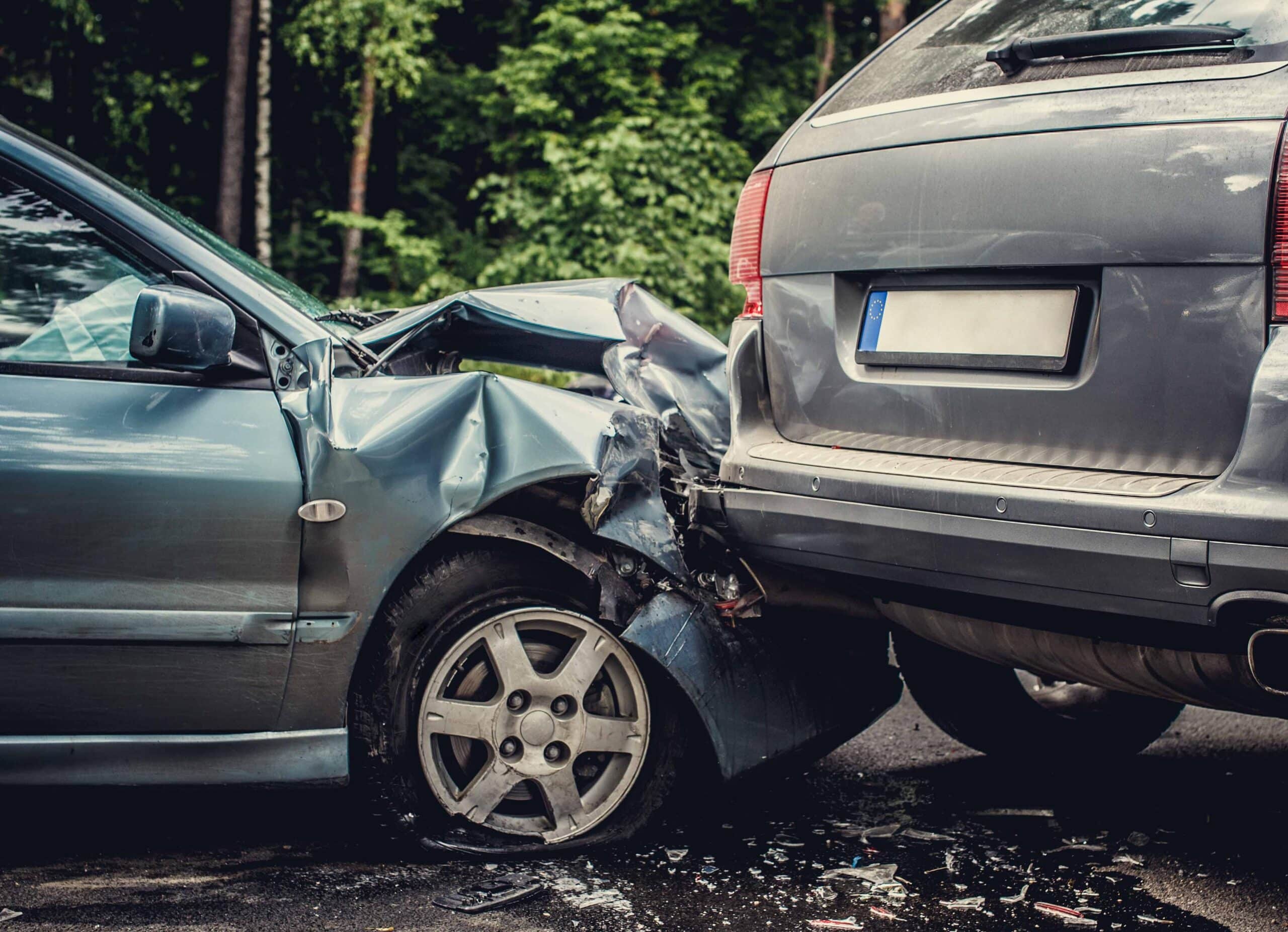
Being involved in a car accident can be stressful, from being concerned about your health to the damages you might have incurred.
Such stress can be even more intense when involved in a rental car accident, with all the potential parties involved.
Nonetheless, being adequately informed about the immediate steps to take and your options can make the situation more manageable.
However, working with a Miami rental car accident lawyer is crucial in such an instance.
Bernstein & Maryanoff, Injury Attorneys, has a team of experienced lawyers who are always ready to assist victims injured in car accidents.
NO FEES UNLESS WE WIN
Protecting Your Rights Since 1983
For more insight into your case, contact our team for a free consultation today.
Hablamos Español
Who Is Liable for Your Rental Car Accident?
If you are involved in a not-at-fault accident in a rental car, you can seek compensation from the other driver. Typically, since Florida is a no-fault state, your PIP and PDL should cover you, and then expenses beyond your policy limits can be covered by the other driver’s insurance.
If you are determined to be at fault for a rental car accident, you may need to cover the other driver’s medical bills and other expenses that surpass their PIP and PDL coverage.
Your liability coverage will be used to cover their injuries and damages.
If you have collision coverage, it can be used to cover major or minor damages to the rental car, or you can purchase CDW coverage from the rental company to cover vehicle damage.
Although they are generally shielded from liability for accidents caused by renters, rental car companies can also be held responsible if a crash is caused by vehicle defects and negligent maintenance.
The First Seven Steps To Take Immediately After a Rental Car Accident
When involved in a car accident with a rental car, you will basically take the same steps that you would take after any other accident. You need to:
- Ensure safety and seek medical attention: Check if you and your passengers are injured. Then, move the car to a safe location if possible, and call 911 to get emergency medical help. If you don’t need emergency medical treatment, visit a doctor immediately after completing the necessary steps at the accident scene.
- Report the accident to the police: In Florida, you are required to report a car accident that results in an injury, death, or at least $500 estimated vehicle or property damage. You should obtain a police report, which you can get online through the Florida Department of Highway Safety and Motor Vehicles (FLHSMV) portal, or you can request it in person or by mail.
- Document everything at the scene: Take photos and videos of the accident scene before things change. Document the position of the vehicles, vehicle damage, road conditions, and visible injuries.
- Exchange information: You and the other driver should exchange names, contact information, driver’s license number, vehicle information (license plate number, make and model, and vehicle identification number), and insurance company name and policy number.
- Do not admit fault: Avoid making statements that imply fault. For example, saying you didn’t see them. You should also avoid apologizing, as this can be used as an admission of fault.
- Notify the rental car company: Contact the rental company immediately to receive guidance on whether the vehicle should be towed, returned, or any other specific procedures.
- Contact a car accident lawyer in Miami, FL: Early consultation with a car accident lawyer helps you preserve evidence, understand your rights and options, and avoid costly mistakes.
Who Should Contact the Rental Car Company After an Accident?
Regardless of who was at fault, if your rental vehicle is damaged following an accident, it is your responsibility to alert your rental agency after the car accident. Failing to do so can complicate your claim and may result in a weakened case where you could lose the compensation and coverage you deserve.
Contact Insurance
You should also contact your auto insurance company as well to claim covers. Property damage liability (PDL) is designed to provide coverage for damage to another individual’s personal property.
Your personal injury protection (PIP) is designed to cover bodily injuries sustained during a car accident.
Because Florida is a no-fault state, fault does not play a role in determining whose insurance company will pay for certain damages.
All Floridians must carry PIP and PDL insurance designed to cover them in the event of an accident. If your injuries or property losses exceed the coverage threshold, you can pursue a personal injury lawsuit to recover damages.
Additional Rental Accident Expenses
- Loss of Use Fees: Rental firms charge daily revenue lost while car is repaired. This is often covered by at-fault driver’s insurance.
- Diminished Vehicle Value: Post-repair resale price drop is claimable if documented via appraisal.
- Administrative/Claim Fees: This can go up to $500. You can contest this if insured or not-at-fault.
| Coverage Type | Primary vs. Secondary | Typical Limits |
| Personal Auto Collision | Primary (pays first) | Policy deductible applies |
| Rental CDW | Primary if purchased | Full vehicle value |
| Credit Card | Secondary (after personal) | $50K-$75K |
| Other Driver’s | Primary if at-fault | Their policy limits |
Understanding Insurance Coverage in a Rental Car Accident
Rental agreements typically hold you responsible for the vehicle from the time of pickup until return. A driver’s personal auto insurance might extend to a rental car. Thus, if you are involved in a rental car accident, your insurance can cover your initial medical expenses and lost wages and the rental car damage.
If the accident was not your fault, you may still need to pay your deductible directly to the rental company. If your personal policy includes collision and comprehensive coverage, it can cover the other driver’s medical expenses and lost wages if you are at fault, damage to the rental car regardless of who is at fault, and damage to the rental car caused by theft, vandalism, and any other event other than a collision.
Moreover, although it’s not a must for a driver to have their own insurance to rent a car in Florida, rental companies are required to provide basic liability coverage at a minimum of $10,000.
This rental car coverage covers any damage you cause to someone else’s property while driving a rental car up to $10,000.
A rental company can also offer insurance add-ons, including loss damage waiver (LDW)/ collision damage waiver (CDW), supplemental liability protection (SLP), personal accident insurance (PAI), and personal effects coverage.
Always check available add-ons to make informed decisions when renting a vehicle.
Many credit cards offer secondary collision insurance for rental cars if used to pay for the rental. Major credit cards also offer rental car insurance coverage.
If you pay for a rental car with such a card, you might have further coverage.
Note that most credit card issuers will require you to decline the rental company’s CDW to activate their coverage.
If the other driver is at fault for the rental car accident you are involved in, their driver’s insurance should cover the damages to your rental car.
What Is a Collision Damage Waiver for a Rental Car Accident?
When you’re in an accident in a rental car, the rental car company will want you to pay them for the cost of repairs. However, if you opted for a collision damage waiver, the rental company doesn’t require you to pay them for the damaged vehicle.
If you have collision and comprehensive coverage in your personal auto policy, you shouldn’t need the collision damage waiver from the rental company. Additionally, some credit cards provide a collision damage waiver, also called a loss damage waiver, if you use their card to pay for your rental car agreement.
Florida’s No-Fault Insurance Laws
Florida is one of 12 states that adhere to no-fault auto laws. As a no-fault state, all drivers are required to carry their own insurance coverage that pays for damages when an auto accident occurs, regardless of who was at fault.
Under state law, individuals issued a Florida driving license are required to have the following:
- PIP and PDL insurance at the time of vehicle registration.
- A minimum of $10,000 in PIP insurance — this coverage pays for medical expenses and other bills sustained following an accident.
- A minimum of $10,000 in PDL insurance — this coverage pays for any property damage sustained during an auto accident.
Can You Add Rental Coverage to Your Auto Insurance Policy After an Accident?
Purchasing auto coverage from a rental company or your insurance policy must be done before an accident with a rental vehicle occurs. Typically, this rental insurance is purchased before or at the time of renting the car.
What If the At-Fault Driver Is Uninsured or Underinsured?
Being involved in a rental car accident with an uninsured or underinsured driver can be complicated, as you might need to consider other steps, including pursuing legal action. Nonetheless, you can smooth your experience by using your uninsured/underinsured motorist (UM/UIM) coverage.
UM/UIM coverage is optional in Florida, but it’s strongly recommended. With this coverage, you will file a claim with your own insurance to recover the damages you incur when you are hit by a driver with no insurance or whose insurance coverage is insufficient to cover your damages.
A car accident lawyer can help you navigate the complexities involved in such an instance to help you pursue just compensation.
What Legal Liability Standards Apply to Florida Rental Car Accidents?
Florida’s no-fault car accident laws apply to accidents involving rental vehicles. That means that PIP insurance covers your own medical bills without regard to fault. To cover damage to someone else’s property, drivers need property damage liability coverage.
For Florida drivers, your own insurance applies when you’re in a rental car. No-fault laws apply, too. A victim may bring a claim against a negligent party if they have injuries that meet a threshold of severity.
If the other driver is negligent, the right to compensation is no different than in other car accident claims. You may be able to recover damages, including:
- Medical bills
- Rehabilitation costs
- Repair costs
- Property damage
- Lost wages
- Pain and suffering
How a Miami Rental Car Accident Lawyer Can Help
Working with a Miami rental car accident attorney can benefit you in various ways, including:
- Investigating the accident to determine liability: Your lawyer will gather evidence, assess the evidence you collected, review the police report, collect witness statements, work with other professionals, such as an accident reconstructionist, and analyze vehicle maintenance records to establish liability.
- Handling all communications with insurance companies: It can be helpful to have an attorney handle all interactions with involved insurers while you focus on recovering.
- Ensuring fair compensation for all damages: By gathering adequate details about your medical bills, lost wages, and other damages, your lawyer will ensure you receive a fair settlement.
- Navigating the complexities of multiple insurance policies: Rental car accidents involve multiple insurance policies, which can be complicated to navigate. Your lawyer can help you understand every coverage in depth.
- Fighting for clients’ rights in court if necessary: If the other driver or their insurer refuses to provide fair compensation, your lawyer can fight for your rights in court.
If you are involved in a rental car accident, a car accident lawyer in Miami, FL can help you fight for your rights. Bernstein & Maryanoff, Injury Attorneys, is dedicated to helping those injured in this type of accident.
NO FEES UNLESS WE WIN
Protecting Your Rights Since 1983
For more insight into your case, contact our team for a free consultation today.
Hablamos Español
FAQs
Disclaimer: This blog is published by Bernstein & Maryanoff Injury Attorneys for general informational purposes only. Nothing here is legal advice, and reading it does not create an attorney-client relationship with our firm. Laws and regulations vary by state. Always speak with a licensed attorney in your jurisdiction to understand how they apply to your specific situation. Past case results do not guarantee future outcomes. Every case is unique and depends on its own facts and circumstances. Please do not share sensitive personal information or case details in public comments or messages. For advice about your case, call us at (800) 429-4529.
About the Attorney

Jack G. Bernstein, ESQ.
Jack G. Bernstein, Esq., is a seasoned Miami personal injury lawyer who started his law practice in 1983. A detail‑oriented legal strategist with decades of experience in representing victims of auto, truck, motorcycle and slip‑and‑fall accidents, he is currently a member of the Florida Bar Association. He is admitted to practice before the State and Federal Courts of Florida, offering free, no‑obligation case reviews to injured clients and advocating for maximum compensation in car accidents, wrongful death, catastrophic injury cases and more.