Eye Injury
An eye injury can change the way you see, work, and move through your day. These injuries happen in car accidents, slip and fall incidents, pedestrian crashes, workplace collisions, and other situations that are common across Miami. Some eye injuries are visible right away, with bleeding or swelling around the eye socket. Others start with mild discomfort and get worse over days or weeks. About 2.5 million people in the United States receive treatment for eye injuries each year, and roughly 50,000 of them lose some degree of vision permanently.
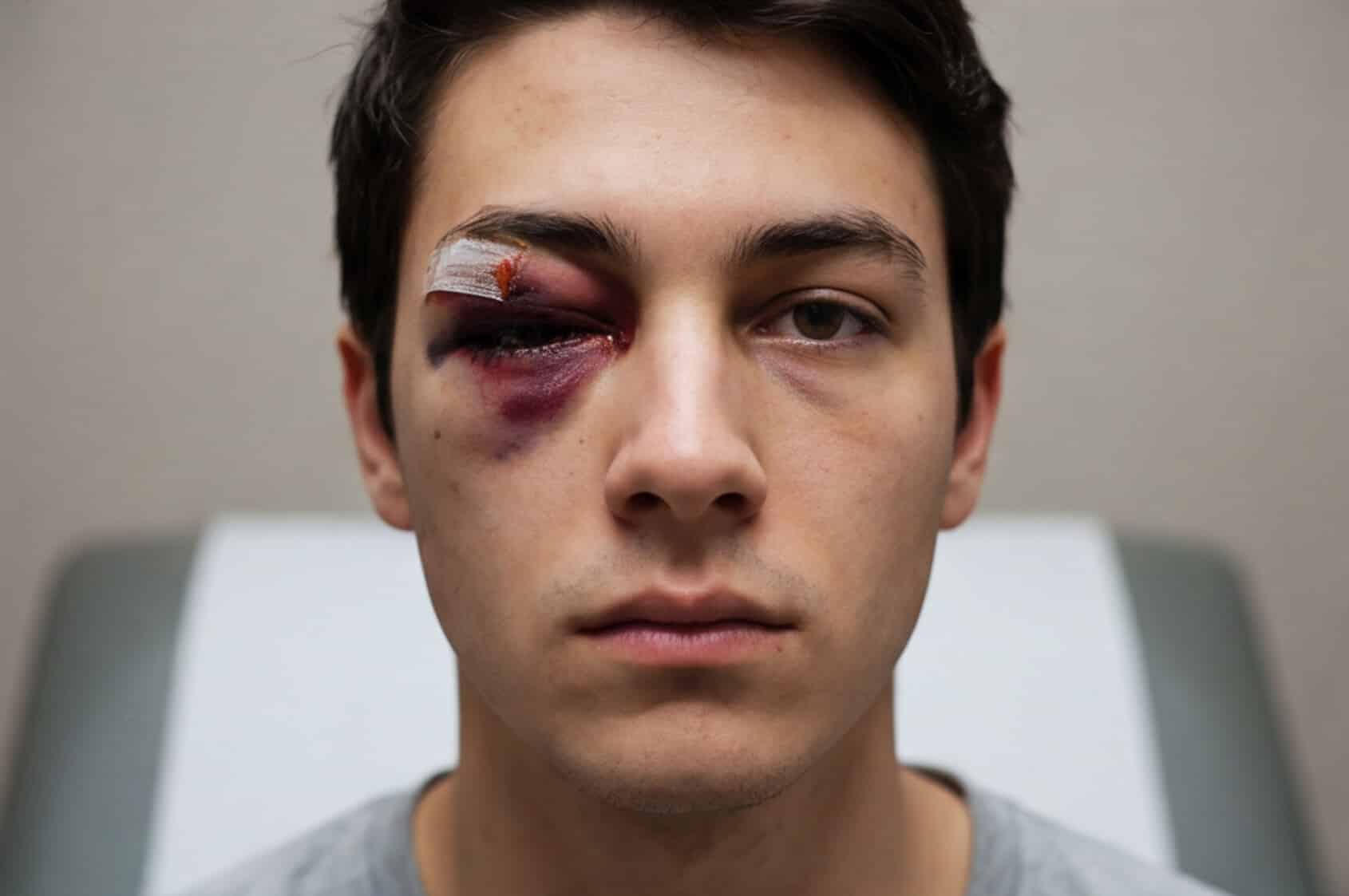
What is an eye injury?
An eye injury is any physical damage to the eyeball, eyelids, surrounding tissues, or the bones surrounding the eye socket. The injury can affect the cornea, the retina, the optic nerve, or the anterior chamber, the fluid-filled space behind the cornea. Some injuries cause only surface irritation, like a corneal abrasion from dust or sand. Others involve blunt trauma, penetrating wounds, or chemical burns that threaten permanent vision loss.
Speed matters with eye trauma. Tissue inside the eye is delicate, and damage can spread from one structure to another within hours. The first few hours after an eye injury are the most important, and getting to an eye doctor immediately can stop a minor problem from becoming a serious one. Even mild eye strain or blurry vision after an accident deserves a medical evaluation.
Common causes of eye injuries
Car accidents
A car accident can cause eye injuries through airbag deployment, shattered windshield glass, or blunt impact against the steering wheel or dashboard. Flying debris and foreign objects enter the eye at high speed during a collision. Even a minor fender-bender can produce enough blunt force to fracture the orbital floor or cause a subconjunctival hemorrhage.
Slip and fall accidents
A slip and fall can drive the face directly into a hard surface, a countertop edge, or a piece of furniture. This kind of blunt eye trauma often damages the eye socket, upper eyelid, and surrounding tissues. Falls are a major cause of orbital fractures, particularly in older adults and young adults who lose their footing on wet or uneven ground.
Pedestrian, bicycle, and motorcycle accidents
Pedestrian, bicycle, and motorcycle accidents expose the face and eyes to road debris, direct blunt impact, and contact with pavement. Without the protection of an enclosed vehicle, foreign bodies can strike the eye at full speed. These accidents frequently result in open globe injuries, corneal abrasions, and deep lacerations to the affected eye.
Work-related or object-related trauma
Power tools, industrial chemicals, dust, and metal fragments are common occupational hazards. Construction sites and manufacturing floors produce flying particles that cause penetrating injuries and chemical burns. Wearing safety glasses or goggles that meet OSHA standards can reduce the risk considerably, but many workers go without protective eyewear.
Symptoms of an eye injury
Eye injury symptoms range from barely noticeable irritation to obvious emergencies. If you notice any of the following after an accident, get medical care without delay:
- Severe eye pain or a deep ache behind the eye
- Redness, swelling, or bruising around the eye socket
- Blurry vision or double vision
- Light sensitivity that was not present before the injury
- Excessive tearing or discharge
- Trouble focusing on close or distant objects
- A feeling that something is stuck in the eye
- Visible blood on the white of the eye or bleeding from the eye area
- Partial or total vision loss
Any visible blood on the white part of the eye or coming from the eye area is serious and requires emergency care. Symptoms of retinal detachment include a sudden increase in floaters, flashes of light, or shadows moving across your field of vision. Do not wait for these warning signs to pass on their own.
Different types of eye injuries
Eye injuries fall into several categories, each with different risks and treatment needs. Closed-globe injuries are classified as contusions and lamellar lacerations, while open-globe injuries include full lacerations and globe ruptures.
|
Injury type |
What happens |
Common causes |
|
Surface irritation or scratches (corneal abrasion) |
Sand, dust, fingernails, or foreign bodies scratch the eye’s surface, causing pain, tearing, and redness. |
Debris from falls, wind-blown particles, contact lenses worn too long |
|
Blunt-force trauma |
A blunt impact to the face or eye socket damages the eye wall, anterior chamber, or internal structures. Can cause hyphema, orbital fracture, or subconjunctival hemorrhage. |
Sports-related eye injuries, falls, motor vehicle collisions, interpersonal violence |
|
Penetrating injury |
A sharp object or foreign body pierces the eye wall. This is a medical emergency that risks globe rupture and permanent damage. |
Broken glass, metal shards, tools, workplace debris |
|
Chemical injury |
Acids, alkalis, or other chemicals burn the cornea and surrounding tissue. Flushing immediately with clean water for 15 to 20 minutes is the first step. |
Industrial chemicals, household cleaners, automotive fluids |
When to get medical help
Seek emergency care right away if you experience persistent eye pain, bleeding from or around the eye, sudden vision loss, or exposure to chemicals. Do not rub, press, or try to remove objects from the eye yourself. Eye injuries require immediate medical evaluation if you notice vision changes, and even mild symptoms can turn into something far worse without treatment.
Standard hospital emergency rooms often lack the specific diagnostic equipment needed for complex ocular injuries. In critical cases, go directly to a specialized eye emergency center rather than an urgent care clinic. In Miami, the Bascom Palmer Eye Institute, ranked the number one eye hospital in the country, provides immediate walk-in and same-day emergency triage for eye trauma, minor injuries, and infections.
How doctors diagnose an eye injury
Eye examination
The doctor checks visual acuity, eye movement, and the external structures for visible damage. They look at the cornea, eyelids, and anterior chamber with a slit lamp to spot scratches, foreign bodies, or blood.
Specialized testing
Intraocular pressure checks detect fluid buildup. Fluorescein dye tests reveal corneal abrasions under blue light. CT scans or MRI imaging help doctors assess orbital fractures, retinal detachment, or damage to the optic nerve.
Medical history and symptom review
Doctors ask about the injury mechanism, meaning how and when the accident happened, what struck the eye, and which symptoms appeared first. This information shapes the diagnosis and treatment plan.
Follow-up care
Ongoing monitoring may be needed if vision changes continue or if the injury affects the retina, lens, or vitreous. Some complications show up days or weeks after the initial trauma.
Eye injury recovery time
Recovery depends on the type and severity of the eye injury. A minor corneal abrasion may heal within a few days with antibiotic drops or ointments and rest. A soft bandage contact lens placed on an injured cornea can protect it and reduce pain while it heals.
Blunt ocular trauma that affects the anterior chamber or retina takes weeks to months. Surgery may be needed to repair cut eyelids, remove foreign objects, reattach the retina, or rebuild damaged structures inside the eye. After damage to the muscles or nerves that move the eyes, vision therapy can help restore proper eye movement, focusing, and coordination. Some eye injuries cause permanent vision changes that no amount of treatment can fully reverse. Consistent follow-up care and strict rest during recovery give the eye the best chance to heal.
Long-term effects of an eye injury
Vision problems
Blurry vision, double vision, light sensitivity, or reduced eyesight may continue long after the initial injury. Complications can include glaucoma, cataract formation, and retinal detachment, and these conditions may develop months or years later.
Chronic discomfort
Long-term effects of blunt ocular trauma can lead to chronic pain, dry eye, and ongoing irritation that does not fully resolve with eye drops or medication.
Work and daily-life impact
Reading, driving, using a computer screen, and moving safely through spaces all become harder with compromised vision. Many patients find they cannot return to their previous job duties.
Emotional effects
Patients who experience eye injuries may face anxiety or depression, particularly when the injury changes their appearance or limits daily activities. These emotional challenges are a real part of recovery.
How an eye injury can affect a legal claim
Eye injuries often lead to significant medical bills, missed work, and the need for future treatment. If someone else’s negligence caused the accident, you may have grounds for a personal injury claim. Insurance companies sometimes underestimate the impact of an eye injury because it is not always visible from the outside. A black eye fades. Damage to the retina or optic nerve does not.
Thorough documentation makes the difference. Eye exams, medical records, imaging results, and detailed notes about your symptoms help connect the injury to the accident. The stronger the paper trail, the harder it is for an insurer to downplay your claim. If you are unsure how to file a personal injury claim, start by collecting every piece of medical evidence you have.
Compensation in an eye injury case
Economic damages
Economic damages cover the actual financial costs of the injury. These include hospital bills, prescriptions, eye drops, surgery costs, specialist visits, and lost wages from time away from work.
Non-economic damages
Non-economic damages address the personal toll. This includes pain and suffering, emotional distress, and the reduced quality of life that comes with permanent vision changes or chronic discomfort.
Future damages
Some eye injuries need ongoing care for years, including follow-up surgeries, prescription changes, or vision therapy. Future damages account for treatment costs and limitations that have not fully materialized yet.
What to do after an eye injury
The steps you take right after an eye injury affect both your health and any future legal claim. Follow these guidelines:
- Get medical care immediately. Do not wait to see if symptoms improve. Seek care from an eye doctor or visit an emergency room.
- Do not rub or press the affected eye. Applying a gentle cold compress to the bone around the eye can reduce swelling, but never place it directly on the eyeball.
- Do not try to remove objects. If a foreign body is lodged in the eye, cover the eye loosely with a paper cup or shield and let a doctor handle it.
- Follow treatment instructions closely. Use prescribed eye drops, antibiotic ointments, or anti-inflammatory medications as directed.
- Keep records of every visit, test, and prescription. Save receipts and medical reports for documentation.
- Photograph the injury and the accident scene. Save witness contact information and any accident reports filed.
- Avoid giving quick statements to insurance companies. Insurers look for reasons to minimize what they pay. Talk to a lawyer before providing a recorded statement.
Why talk to a lawyer after an eye injury
An eye injury can produce medical costs that stretch over years, and the full extent of the damage may not be clear for months. A personal injury lawyer can help you document the injury properly, connect your medical evidence to the accident, and deal with insurance adjusters who may try to reduce your claim. If you are wondering when to hire a personal injury lawyer, the answer for eye injuries is usually as early as possible, before medical records get scattered and memories of the accident fade.
FAQs about eye injuries
Speak with a lawyer about an eye injury
If another person’s actions caused your eye injury, whether in a car crash, a fall on someone else’s property, or a workplace accident, legal help may be available to you. An attorney can review your medical records, explain your options, and help you pursue fair compensation for what you have been through. Contact Bernstein & Maryanoff for a free consultation.