
What Is the Average Payout for Dental Negligence?
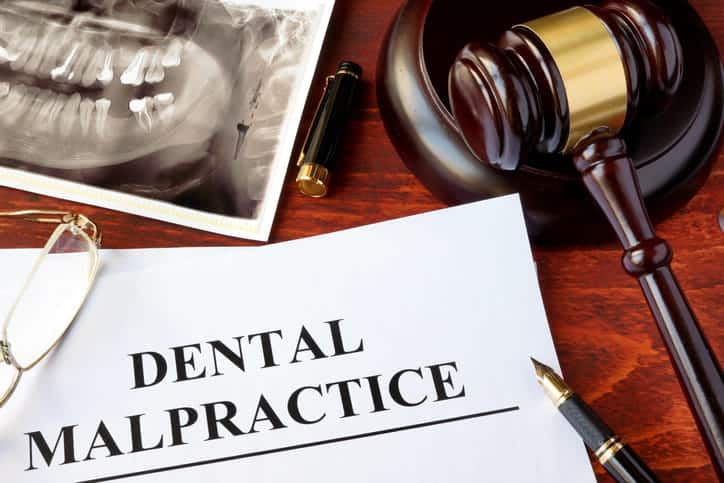
A dental negligence settlement payout can help you recover necessary compensation to move forward in your recovery. Many victims rely on this compensation to pay for necessary dental work to fix issues caused by the initial improper dental work done on their teeth.
If you have been a victim of improper dental work, and are considering pursuing legal action, you probably have wondered, “What is the average payout for dental negligence?”
Since all cases are unique, the amount of compensation victims receive can vary from a couple of thousand dollars to tens and even hundreds of thousands of dollars.
At Bernstein & Maryanoff, Injury Attorneys, our dental malpractice attorneys, serving the greater Miami, Florida, area, have decades of experience supporting victims like you, navigating state and local laws, and helping victims recover the compensation they deserve.
Give us a free, no obligation call today to determine if you have a case. You can also fill out our free evaluation form, and one of our staff members will be in touch.
NO FEES UNLESS WE WIN
Protecting Your Rights Since 1983
For more insight into your case, contact our team for a free consultation today.
Hablamos Español
What Is Dental Malpractice and Dental Negligence?
Dental malpractice refers to a specific breach of professional duty in the dental industry that can result in legal action from the victim who’s suffered that violation of duty.
Dental malpractice vs. dental negligence: Dental malpractice takes on many forms, but it can include any licensed dental health professional like a dentist, dental hygienist, or assistant failing to provide the accepted standard of care to their patients. As with all personal injury cases, the four elements of negligence must be present.
Dental negligence is a broader term that is used to describe the failure to exercise reasonable care to a patient. While all dental malpractice cases involve negligence, not all instances of dental negligence rise to the level of malpractice.
The Standard of Care for Dental Procedures
A minimum standard of care is required by dentists licensed in Florida to provide a reasonable duty of care. If a dentist breaches this standard of care through negligent actions performed on a dental patient, it becomes the basis for a legal malpractice claim.
If your dentist didn’t provide you with acceptable professional dentistry standards, it has to be shown that your harm came to be because of negligence and substandard care. This is where Bernstein & Maryanoff’s dental malpractice attorneys can determine how your case fits the legal definition of standard of care.
What Is the Average Payout for Dental Negligence?
The average payout for dental negligence claims depends on the factors of your case.
Here is a general idea of how much compensation for dental negligence you may expect:
- Lowest payout: Hovering around $10,000 to $15,000; low payouts cover the cost of corrective treatment for often minor, reversible incidents like filings and crowns.
- Average payout: Hovering around $15,000 to $60,000; this pay range will cover more serious errors like failed root canal procedures, extractions, or other injuries that have caused prolonged pain and require more intensive restorative procedures.
- Highest payout: On the higher end of dental negligence case settlement payouts, these can range from low to mid six-figure payouts. Victims often suffer permanent injuries like nerve damage, chronic pain, or severe jaw injuries.
Dental Negligence Settlement Examples
There are a variety of dental negligence settlement cases, though some cases happen more often than others.
Common examples of dental negligence cases might include:
- Incorrect tooth extractions
- Nerve damage
- Failure to diagnose severe dental diseases like periodontitis (gum disease)
- Inadequate root canal treatment that’s led to an infection
- Injury from a dropped instrument
- Misdiagnosis
- Failure to obtain informed consent
What Damages Are Available for Those Who Have Experienced Dental Negligence?
Damages is the legal term used to describe a sum of money a person is entitled to after another person (or persons or entity) causes harm through a breach of duty. In Florida, a person who has suffered dental malpractice can be awarded two types of damages:
Economic Damages
These monetary amounts can be calculated through invoices, bills, receipts, bank accounts, etc., demonstrating how much a person has already paid.
- Medical bills from hospitals, doctors, clinics, and pharmacies.
- Dental repair or reconstruction expenses needed to fix the damage.
- Lost wages due to taking time off from work for medical appointments and recovery.
- Lost earning capacity is calculated based on whether the victim loses out on a promotion or other work-related earning capacity.
- Costs of ongoing or long-term care required for physical or occupational therapy.
- Out-of-pocket expenses incurred by the victim for transportation, assistive devices, and other miscellaneous expenses necessitated from the dental work.
Non-Economic Damages
These amounts are more subjective in terms of pain and suffering. Conditions of emotional distress, loss of enjoyment of life, disfigurement, and loss of consortium are looked at and amounts are awarded based on severity and cap limits.
Common Dental Malpractice Lawsuits

There are standards of care associated with various dental procedures. Some of the common dental malpractice lawsuits below resulted from substandard care performed by incompetent dentists and/or dental personnel:
- Dental Implants Cases
If a dentist fails to plan a dental implant procedure adequately and removes a tooth only to place an implant at the wrong angle, it can become the basis for malpractice lawsuits. Other failures could include improper measurements, sizing, or too close to a natural tooth, impairing the need for restoration, or simply failing to ensure there was enough bone surrounding the implant.
- Nerve Damage Cases
Nerve damage can result from dental injections, tooth extractions, and dental implants. Sometimes, the patient knows something isn’t right during the procedure, but often, it’s hard to tell while the oral cavity is numbed. Therefore, the nerve pain doesn’t show up until well after the numbing has worn off. Failing to treat a patient who complains of nerve damage symptoms is cause for a dental malpractice lawsuit.
- Crown and Bridge Cases
Improperly fitted crowns can leave overhangs and open margins and fail to remove decay; sealing or adjusting a crown improperly before permanent cementing can also cause issues. Improper procedural care regarding crowns and bridges is often a cause for a lawsuit.
- Root Canal Cases
There are 15 million root canals performed annually in the United States, and common complaints to the Florida Board of Dentistry lead to dental malpractice lawsuits. There could be a failure to take X-rays not only before the root canal, but also after the procedure is done. The root canal could have been under or overfilled, perforated, completed on the wrong tooth, or there was a failure to clean the canal of the tooth root. Those are only a few reasons showing how improper procedures can be performed, leading to permanent dental injury.
- Tooth Extraction Cases
It would seem a relatively simple dental procedure to remove a bad tooth, but there have been cases where the wrong tooth was removed. Or if the patient’s medical history wasn’t examined thoroughly as to current medications being taken, which increased the risk of damage. Or perhaps the tooth root wasn’t entirely taken out, and a tiny portion remained, leading to infection and permanent nerve damage. All of these examples could be reasons to file a dental malpractice lawsuit.
- Osteomyelitis Cases
Osteomyelitis is an infection in the bone. This can be a result of a poorly performed oral surgery, in which the infection wasn’t recognized, appropriately treated, and worsened, causing lifelong disability, and even death, in some cases.
Common Injuries From Dental Malpractice
Other injuries occurring due to dental malpractice can include:
- Jaw injuries and overall structural damage to the mouth.
- Failure to detect oral cancer or an oral disease.
- A sepsis infection.
- Trauma to a healthy tooth.
- Nerve damage from wisdom tooth removal or root canal.
Consulting a dental malpractice attorney, specializing in dental malpractice claims, can help you get the justice you deserve and the maximum compensation to cover your losses. Get in touch with us right away so we can help with the specifics of your claim.
How To Determine Damages From Dental Negligence
There are critical factors which are used to determine damages from dental medical negligence.
These factors include the following:
The Severity of the Injury
Injuries that are severe or have a long-lasting impact on the victim’s quality of life usually require more medical care and treatment. Thus, higher settlement amounts are awarded to compensate for the extended lifelong care.
Economic Damages
Generally, the higher the amount the victim has expended, the higher the settlement to match.
Non-Economic Damages
As with economic damages, the higher the amount the victim has suffered, the higher the settlement to match.
The Severity of the Dentist’s Negligence
The court will determine the severity of the dental practitioner and/or related dental personnel as to how incorrect mistakes were made and the ethical breach of the standard of care. The more egregiousness is found in the overall claim, the higher the settlement award.
In rare cases, punitive damages have also been awarded.
It’s possible that the more complex your case is, the more you stand to receive higher monetary compensation.
Limits on Damages in Dental Negligence Cases
Florida’s Supreme Court recently changed the caps or limits a person could receive due to medical malpractice. Florida Statute 766.118 used to state, “Non-economic damages shall not exceed $500,000 per claimant. No practitioner shall be liable for more than $500,000 in non-economic damages, regardless of the number of claimants.”
However, the FL Supreme Court determined it violated the equal protection law in the Florida Constitution. For example, if a person died leaving only a surviving spouse, yet in another case, a person dies leaving not only a surviving spouse but four children, it was stated the less likely they would be fully compensated for their losses. Thus, the cap was removed.
It can be complicated to determine what the average payouts for medical malpractice suits can now be, which is why it’s best to contact a law firm that keeps up with all the legal changes and knows how to apply the law in your case.
We always aim to reach the highest compensation allowed for our clients.
Frequently Asked Questions About Dental Negligence Settlements
Contact Bernstein & Maryanoff’s Dental Malpractice Lawyers Today
We hope you’ve learned valuable information on how to recover from improper dental work performed on your teeth by bringing forth a dental malpractice lawsuit.
We are on your side in a personal injury case involving damage to your oral health. We know how frustrating and painful it can be to suffer through dental damage done wrongly to you. We stand ready to help you win a dental negligence case.
NO FEES UNLESS WE WIN
Protecting Your Rights Since 1983
For more insight into your case, contact our team for a free consultation today.
Hablamos Español
About the Attorney

Jack G. Bernstein, ESQ.
Jack G. Bernstein, Esq., is a seasoned Miami personal injury lawyer who started his law practice in 1983. A detail‑oriented legal strategist with decades of experience in representing victims of auto, truck, motorcycle and slip‑and‑fall accidents, he is currently a member of the Florida Bar Association. He is admitted to practice before the State and Federal Courts of Florida, offering free, no‑obligation case reviews to injured clients and advocating for maximum compensation in car accidents, wrongful death, catastrophic injury cases and more.