Knee Injury
A knee injury can be as mild as a sprain or as severe as a torn ligament or fractured bone. These injuries happen frequently in car accidents, slip and falls, pedestrian crashes, and other types of trauma that are common across Miami. Pain and swelling sometimes appear right away, but in many cases they develop hours or days after the incident.
Knee injuries can result from traumatic events like twists or impacts, as well as gradual overuse. This page covers the symptoms, types, treatment options, and legal considerations tied to knee injuries so you know what to expect and what steps to take.
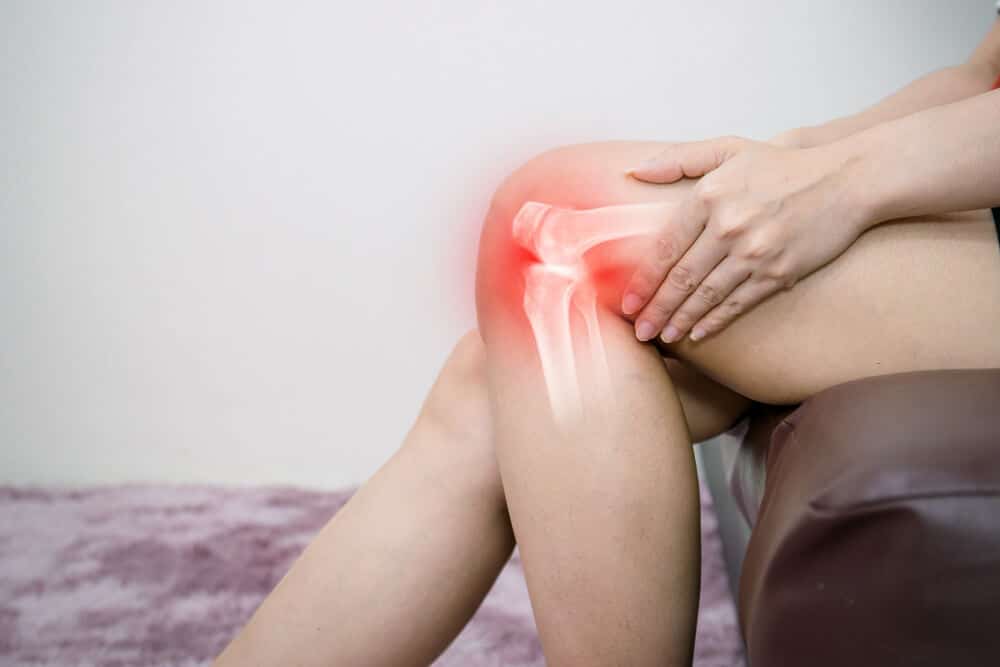
What is a knee injury?
A knee injury is any damage to the bones, ligaments, cartilage, tendons, or soft tissues that make up the knee joint. The knee is a complex joint that connects the thigh bone (femur) to the lower leg (tibia and fibula). It relies on four main ligaments, two menisci, the quadriceps and patellar tendons, and articular cartilage to stay stable and function properly.
The patella sits at the front, and a slippery substance helps the knee bones glide smoothly during movement. When any of these structures are hurt, walking, standing, bending, and balance can all suffer. Even injuries that feel minor at first, like slight pain after a fall, can become serious if left untreated.
Common causes of knee injuries
Knee injuries happen in a wide range of situations. The force, angle, and speed of an impact all play a role in what gets damaged. Below are the most frequent causes we see in injury cases across South Florida.
Car accidents
A sudden collision can slam the knee against the dashboard, door panel, or steering column. Front-end and side-impact crashes are the worst offenders. The knee may twist on impact or absorb blunt force that tears ligaments and fractures bone. Posterior cruciate ligament (PCL) injuries often result from a blow to the front of the knee while it is bent, which is common in motor vehicle crashes.
Slip and fall accidents
Landing hard on a wet floor, uneven sidewalk, or poorly maintained staircase can sprain, tear, or fracture the knee on contact. A slip and fall that forces the leg into an awkward angle puts extreme stress on the collateral ligaments and meniscus. Older adults face higher risk because weakened cartilage can tear with even minor movements.
Pedestrian, bicycle, and motorcycle accidents
When a pedestrian, cyclist, or motorcyclist is struck by a vehicle, the knee often takes direct impact. High energy trauma from these collisions can cause multiple injuries at once, including fractures, dislocations, and ligament tears. About half of ACL injuries occur alongside damage to other knee structures.
Work or sports injuries
Repetitive motion, heavy lifting, and sudden twisting on a construction site or during jumping sports can injure the knee joint. The anterior cruciate ligament (ACL) is often injured during cutting and pivoting sports like soccer, football, and basketball. Patellar tendinitis, also called “Jumper’s Knee,” is an overuse injury caused by repetitive stress from running or jumping.
Symptoms of a knee injury
Knee injury symptoms vary depending on which structure is damaged and how badly. Some signs show up within minutes, while others build over days. Watch for these warning signs after any accident or fall:
- Pain that worsens with movement or weight bearing
- Swelling around the knee (rapid swelling within hours can indicate a fracture or torn ACL)
- Stiffness and reduced range of motion
- Bruising or visible discoloration
- Trouble bending or straightening the knee fully
- A loud popping sound at the time of injury, which may suggest a torn ligament
- Weakness or inability to bear weight on the injured leg
- A locked knee, where a torn piece of meniscus gets stuck in the joint
- Sudden buckling or giving way, a sign that damaged ligaments can no longer keep the knee stable
These symptoms can overlap. A person’s knee may swell and lock at the same time, or the joint may feel both painful and unstable. If any of these signs appear after an accident, get medical attention quickly.
Different types of knee injuries
Common knee injuries include damage to ligaments, cartilage, bones, and tendons. The table below breaks down the main types:
|
Injury type |
Description |
|
Sprains and strains |
Stretching or tearing of ligaments or muscles around the knee. Collateral ligament injuries are usually caused by a force that pushes the knee sideways, often from contact injuries in sports. |
|
Torn cartilage or meniscus injury |
The menisci are two rubbery, wedge-shaped pieces of cartilage that act as shock absorbers between the thighbone and shinbone. Meniscal tears can occur during twisting or pivoting in sports and may also result from aging. Symptoms include pain, swelling, locking, and limited motion. |
|
Fractures |
Broken bones near or within the knee joint. The most common bone broken around the knee is the patella. Many fractures are caused by high energy trauma, such as falls from significant heights and motor vehicle collisions. |
|
Ligament tears |
The knee contains four primary ligaments that are often injured through sudden twisting, rapid changes in direction, or direct impact. ACL injuries are common in athletes participating in cutting and pivoting sports. PCL injuries often result from a blow to the front of a bent knee. Lateral collateral ligament tears and medial collateral ligament injuries usually follow a sideways force to the knee. |
|
Dislocations |
A dislocation occurs when the knee bones are forced out of alignment, usually by high energy trauma from a motor vehicle crash or severe fall. This can damage more than one structure at once and may require surgery. |
|
Tendon tears |
Tendons in the knee connect muscles to bones. The patellar tendon and the quadriceps tendon are the most vulnerable. The quadriceps tendon connects the thigh muscles to the kneecap, and either tendon can partially or fully tear from overuse or trauma. Middle aged people and those in jumping sports face higher risk. |
When to get medical help
Go to a doctor or emergency room if the knee is swollen, unstable, severely painful, or unable to bear weight. A deformity at the joint, numbness below the knee, or a major loss of range of motion all warrant urgent care. Swelling that increases significantly within a few hours of an injury often points to a fracture or a torn ACL.
Early treatment reduces the risk of complications. Cartilage damage, for example, can worsen over weeks if untreated and lead to chronic problems. After any accident, from a rear-end collision to a fall on someone else’s property, do not assume mild knee pain will go away on its own. Medical records created soon after the incident also serve as evidence if you need to file a personal injury claim later.
How doctors diagnose a knee injury
Physical examination
An orthopaedic surgeon or emergency physician will check the knee for swelling, tenderness, and bruising. They test stability by pushing and pulling on the joint to see whether the cruciate ligaments and collateral ligaments are intact. Range of motion is measured to assess how well the knee functions.
Imaging tests
X-rays reveal fractures and bone alignment issues. MRI scans show soft tissue damage to ligaments, tendons, and cartilage that X-rays cannot detect. CT scans may be ordered when a fracture pattern is complex or when the doctor needs a more detailed view of the knee bones.
Medical history and symptom review
The doctor will ask how the injury happened, when knee pain started, and whether you heard a pop or felt the joint give out. Past knee problems and your activity level help them narrow down which structures are likely damaged.
Follow-up care
If pain, swelling, or weakness continues, your doctor may order additional imaging or refer you to a specialist. Some knee injuries, including partial tears and hairline fractures, only become visible on follow-up scans.
Knee injury recovery time
Recovery depends on the severity and type of injury. Many knee injuries can be treated with simple measures such as rest, ice, compression, and elevation (the RICE protocol). Initial management often relies on relative rest, bracing, anti-inflammatory medications (NSAIDs), and targeted physical therapy.
|
Injury |
Typical recovery |
Common treatment |
|
Mild sprain |
2 to 4 weeks |
RICE, bracing, physical therapy |
|
Meniscus tear |
4 to 8 weeks (longer if surgery) |
Physical therapy, possible arthroscopic surgery |
|
ACL tear |
6 to 12 months |
Surgery followed by rehabilitation exercises |
|
Knee fracture |
6 to 12 weeks (varies) |
Casting, open surgery, or arthroscopic repair |
|
Tendon tear |
3 to 6 months |
Surgery for full tears, physical therapy for partial tears |
Recovery timelines affect your ability to work, walk, drive, and handle daily tasks, all of which matter if you are pursuing a legal claim.
Long-term effects of a knee injury
Chronic pain
Damaged cartilage or ligaments do not always heal completely. Knee pain may continue well beyond the initial recovery period, particularly after ACL reconstruction or meniscus surgery. Tight muscles around the joint can add to the discomfort.
Reduced mobility
Walking, kneeling, climbing stairs, or exercising may become difficult on a permanent basis. Articular cartilage that wore down from the original injury can lead to early-onset arthritis.
Instability
Ligament tears that were not fully repaired can leave the knee unstable. The joint may buckle or give out without warning, increasing the risk of falls and other injuries.
Work and lifestyle impact
Ongoing knee problems can limit job duties, end participation in sports, and reduce overall quality of life. Workers who stand, lift, or move on their feet may need to change roles. These limitations carry weight in a personal injury case because they affect future earning capacity and daily independence.
How a knee injury can affect a legal claim
A knee injury tied to someone else’s negligence can result in large medical bills, physical therapy costs, missed work, and future treatment needs. Insurance companies regularly argue that the injury is minor or pre-existing, especially if there is a gap in medical treatment. Consistent documentation fights back against those arguments.
Medical records, MRI results, physical therapy notes, and your doctor’s written prognosis all help connect the injury to the accident. The stronger the paper trail, the harder it is for an insurer to deny or lowball the claim. Keep every receipt and record from the first ER visit through the last rehabilitation appointment. Understanding the Florida statute of limitations is also critical so you do not miss the filing deadline.
Compensation in a knee injury case
Economic damages
These cover your actual financial losses. They include hospital and surgeon fees, physical therapy sessions, prescription medication, knee braces or assistive devices, and lost wages from time you could not work. Mileage for medical appointments and out-of-pocket costs for home help during recovery also fall under this category.
Non-economic damages
Non-economic damages compensate for losses that do not come with a receipt. Pain and suffering, emotional distress, loss of enjoyment of life, and the frustration of living with a knee that no longer works the way it used to all count. Courts look at the severity of the injury, the length of recovery, and how the injury changed your daily routine. Learn more about pain and suffering compensation.
Future damages
If the knee will need follow-up surgery, long-term therapy, or ongoing pain management, those projected costs become part of the claim. Reduced earning capacity, where the injury limits the kind of work you can do going forward, is also recoverable. Your attorney and medical experts work together to estimate these figures. See how much to ask for in a settlement for more guidance.
What to do after a knee injury
Taking the right steps early protects both your health and a potential legal claim. Here is what to prioritize:
- Get medical treatment as soon as possible, even if the knee pain seems mild at first.
- Follow the treatment plan your doctor prescribes, including physical therapy and follow-up visits.
- Keep records of every visit, scan, prescription, and referral.
- Track daily pain levels, swelling, and any limitations on movement or activity.
- Save photos of the injury, witness contact information, and any accident reports.
- Avoid giving recorded statements to insurance adjusters without legal advice.
Detailed records make it much easier to prove the connection between the accident and your knee injury if you decide to file a personal injury claim.
Why talk to a lawyer after a knee injury
A personal injury lawyer can document the full scope of the injury, collect medical evidence, and deal with insurance companies on your behalf. Proving that someone else caused the knee injury and calculating fair compensation requires legal experience, particularly when insurers dispute the severity or link the damage to a pre-existing condition. Legal representation also ensures you meet Florida’s filing deadlines and do not accept a settlement that falls short of your actual losses. Many attorneys work on a contingency fee basis, so there is no upfront cost.
FAQs about knee injuries
Speak with a lawyer about a knee injury
If another person’s actions caused your knee injury, you may have the right to recover compensation for medical bills, lost income, and pain. The legal team at Bernstein & Maryanoff can review your case and explain your options at no cost.
Contact us today for a free consultation, or call to speak with an attorney who handles knee injury cases across Miami and South Florida.