Soft Tissue Injury
Soft tissue injuries affect the muscles, tendons, and ligaments throughout the body. In Miami, these injuries frequently result from car accidents, slip and fall incidents, and sudden trauma during physical activities. Pain and swelling may not show up right away.
Some people feel fine in the hours after an accident, only to develop stiffness, bruising, or muscle weakness days later. Without proper treatment, what starts as a mild ache can turn into a chronic problem. Below, we cover the types, symptoms, treatment options, and legal considerations tied to soft tissue injuries.
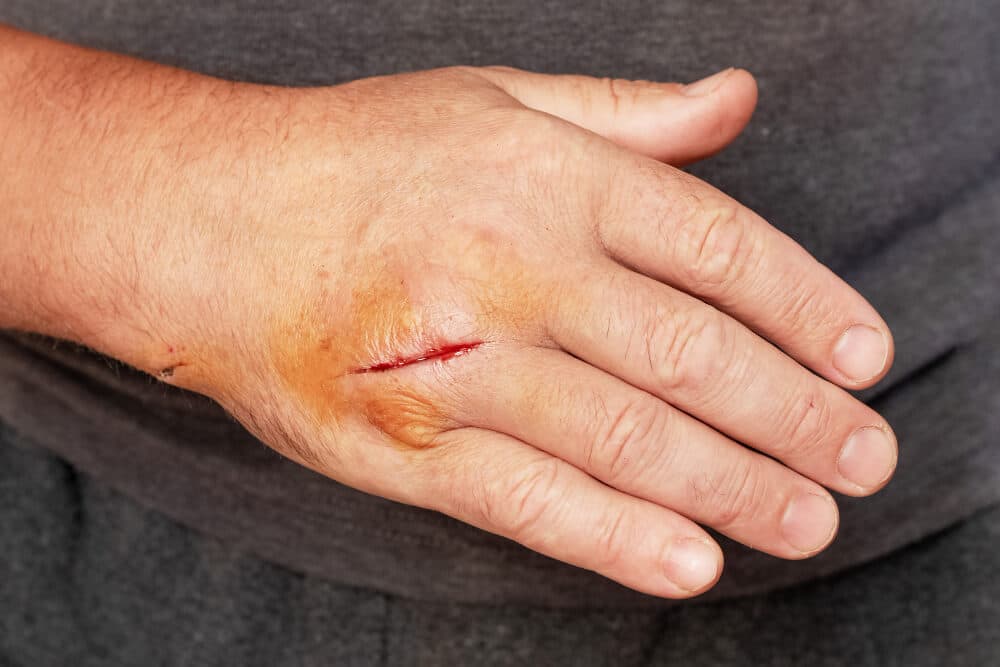
What is a soft tissue injury?
A soft tissue injury is damage to the muscles, tendons, or ligaments in the body. It excludes injuries to bones and internal organs. These soft tissues connect, support, and surround joints and other structures. When they stretch too far, tear, or absorb a direct blow, the result can range from a mild strain to a complete tear of the affected tissue.
Even injuries labeled as “minor” can produce lasting pain, muscle weakness, and reduced mobility. A sprained ankle, pulled muscle, or strained tendon may seem manageable at first, but connective tissue heals slowly compared to bone. Many soft tissue injuries require weeks or months of recovery, and some people deal with recurring problems in the same area long after the initial incident.
Soft tissue injuries generally fall into two main categories: acute trauma and overuse. Acute injuries happen from sudden trauma like a fall or collision. Overuse injuries occur gradually from repetitive movements over time.
Common causes of soft tissue injuries
Car accidents
The sudden impact of a car accident can strain or tear soft tissue in the neck, back, shoulders, and knees. Whiplash, one of the most common soft tissue injuries from collisions, stretches the muscles and ligaments in the neck beyond their normal range.
Slip and fall accidents
A fall on a wet floor or uneven surface can stretch or tear muscles, tendons, or ligaments. The wrists, ankles, and knees take the hardest hit in most slip and fall incidents, and severe sprains from these falls can take months to heal.
Pedestrian, bicycle, and motorcycle accidents
A direct blow from a vehicle can cause contusions, sprains, or deeper soft tissue damage. Crushing underlying muscle fibers and connective tissue is common in pedestrian, bicycle, and motorcycle collisions, often resulting in painful swelling and blood pooling beneath the skin.
Work or lifting injuries
Repetitive movements, twisting, or overexertion on the job can injure soft tissue over time. Elbow strains frequently occur from repeated lifting, and overuse injuries like tendon inflammation develop gradually without a single triggering event. Construction accidents in Miami are a common source of these workplace injuries.
Symptoms of a soft tissue injury
Common symptoms of soft tissue injuries include:
- Pain at the injury site
- Swelling and inflammation
- Bruising or discoloration
- Stiffness and reduced range of motion
- Tenderness when touched
- Muscle spasms and cramping
- Muscle weakness in the affected area
- Pain that worsens with movement
Symptoms typically appear within hours or days of the injury. After a car accident or fall, adrenaline can mask pain signals, which is why some people don’t notice anything wrong until the next morning. A sprain may cause limited mobility and severe pain in the affected joint, while strains can trigger muscle spasms, weakness, and cramping.
Pay attention to how your symptoms change over the first week. Excessive swelling, persistent inflammation, or muscle tension that doesn’t let up with rest are signs that the injury may be more serious than you first thought. Early treatment helps reduce swelling and can prevent further injury to the area.
Different types of soft tissue injuries
|
Type |
What it is |
Common locations |
|
Sprain |
Stretch or tear of a ligament that connects bones at a joint |
Ankles, knees, wrists |
|
Strain |
Injury to a muscle or tendon from overstretching or overuse |
Back, neck, legs |
|
Contusion |
Bruise from a direct blow that crushes underlying muscle fibers |
Thighs, shoulders, arms |
|
Tendinitis |
Inflammation of a tendon from repetitive stress |
Achilles tendon, elbow, shoulder |
|
Bursitis |
Inflammation of a bursa that cushions bones and soft tissues |
Knee, hip, elbow |
Sprains
A sprain is a stretch or tear of a ligament. Ligaments stabilize joints by connecting bone to bone. Sprained ankles and sprained knees are among the most common soft tissue injuries, ranging from slight stretching to a partial or complete tear.
Strains
A strain injures a muscle or tendon, which attach muscles to bones. It can happen from a single sudden movement or from repetitive overuse. A pulled muscle in the back or a strained hamstring are everyday examples.
Contusions
A contusion, or bruise, results from a direct blow that crushes underlying muscle fibers and connective tissue without breaking the skin. Blood pooling under the surface causes the visible discoloration.
Tears or severe soft tissue damage
A partial or complete tear of a muscle, tendon, or ligament is the most serious category. The most severe sprains and full tendon ruptures often require surgical repair. Recovery from a complete tear can take several months and typically involves physical therapy.
When to get medical help
See a doctor if your pain, swelling, or muscle weakness lasts more than a couple of days. Other warning signs include:
- Bruising that spreads or gets darker
- Severe pain when putting weight on the area
- A popping or snapping sound at the time of injury
- Stiffness that prevents normal movement
- Numbness or tingling around the injury
Soft tissue injuries may be more serious than they first appear. A moderate sprain can mask a partial tear, and untreated tendon inflammation can turn into a chronic condition. Early treatment with the R.I.C.E. method, which includes rest, ice, compression, and elevation, can relieve pain and reduce swelling before a doctor visit. Don’t assume the injury will heal on its own.
How doctors diagnose a soft tissue injury
Physical examination
Diagnosis begins with a hands-on assessment. The doctor checks the injured area for tenderness, swelling, range of motion, and joint stability. During the physical examination, they also assess for blood vessel and nerve damage that could complicate recovery.
Imaging or testing
X-rays can rule out fractures, while an MRI shows damage to muscles, tendons, and ligaments in detail. Most minor soft tissue injuries do not require imaging, but if the doctor suspects a severe sprain or strain, these tests become necessary.
Medical history and symptom review
The doctor asks how the injury happened, when symptoms began, and whether you have any prior injuries in the same area. This context shapes the treatment plan.
Follow-up care
If pain or muscle weakness doesn’t improve with initial treatment, follow-up visits may include additional imaging or a referral to a specialist for physical therapy.
Soft tissue injury recovery time
Recovery time depends on the severity and location of the injury. Here is a general timeline:
|
Injury severity |
Typical recovery time |
Treatment approach |
|
Mild (Grade I) |
1 to 3 weeks |
Rest, ice, compression, elevation |
|
Moderate (Grade II) |
4 to 8 weeks |
Physical therapy, medication, bracing |
|
Severe (Grade III) |
3 to 6+ months |
Surgical repair, extended rehabilitation |
Recovery follows three biological phases. The Acute Inflammatory Phase lasts 0-7 days, during which white blood cells clean out damaged tissue. The Repair Phase runs from week 1 through week 6 as the body generates scar tissue and new collagen fibers. The Remodeling Phase can last weeks to months as new tissue matures and aligns along lines of stress.
Treatment often includes anti-inflammatory medication, cold packs to help reduce swelling, and a gradual return to moderate physical activity. Physical therapy incorporates cardiovascular exercise and targeted movements to correct muscle imbalance, rebuild strength, and restore flexibility. Regenerative medicine techniques like Platelet-Rich Plasma (PRP) injections are also becoming popular for healing chronic tendon or ligament injuries.
Long-term effects of a soft tissue injury
Chronic pain
Some people continue to feel pain long after the initial injury has healed. Persistent inflammation, scar tissue buildup, or an improperly healed tear can produce ongoing discomfort that interferes with daily routines and sleep.
Reduced mobility
Stiffness and muscle weakness may limit movement months after the accident. Without consistent physical therapy, the affected area can lose flexibility and range of motion permanently.
Recurring injury risk
Tissue that has been torn or severely stretched is more vulnerable to future problems. Athletes and workers who return to vigorous exercise or heavy lifting too early often reinjure the same area.
Work and lifestyle impact
Ongoing symptoms can affect job duties, exercise routines, sleep quality, and overall quality of life. Tasks that were once routine, like standing for long periods or lifting objects, may become difficult or painful.
How a soft tissue injury can affect a legal claim
Soft tissue injuries can lead to medical bills, physical therapy costs, missed work, and future treatment needs. But insurance companies often push back on these claims. They may argue the injury is minor, unrelated to the accident, or difficult to verify with imaging alone.
That’s why documentation matters. Medical records, consistent treatment notes, and a clear symptom history help connect the tissue injury to the accident. If you waited to see a doctor or skipped appointments, insurers will use those gaps against you.
Soft tissue damage doesn’t always show up on an X-ray, which makes it easier for adjusters to question the severity. An MRI or detailed physical therapy notes can fill that gap. Tracking your pain levels, mobility limitations, and how the injury affects your daily life builds a stronger case. Talk to a personal injury lawyer early to understand what your personal injury claim may involve.
Compensation in a soft tissue injury case
Economic damages
These cover measurable financial losses: hospital visits, physical therapy sessions, prescription medication costs, diagnostic imaging, and lost wages from missed work. If the injury requires ongoing treatment, future medical expenses factor into the claim as well.
Non-economic damages
Pain and suffering, emotional distress, and reduced enjoyment of life fall under this category. A soft tissue injury that disrupts sleep, limits hobbies, or causes anxiety about re-injury carries real weight in a claim, even without surgery.
Future damages
If the injury leads to chronic pain, recurring treatment needs, or reduced earning ability, future damages account for what hasn’t happened yet but is medically expected. Long-term physical therapy costs are a common example. Learn more about how much to ask for in a settlement.
What to do after a soft tissue injury
- Taking the right steps early can protect both your health and a potential legal claim:
- Get medical care promptly, even if the pain seems mild
- Follow the treatment plan your doctor prescribes
- Keep records of every visit, prescription, and therapy session
- Track pain levels, swelling, and mobility problems in a daily log
- Save photos of bruising and visible injuries
- Hold onto accident reports and witness contact information
- Avoid giving recorded statements to insurance adjusters without legal advice
Many soft tissue injuries can be prevented through proper conditioning and training, but once the damage is done, your priority is recovery and documentation. The records you build during the healing process become the foundation of any future legal claim.
Why talk to a lawyer after a soft tissue injury
A lawyer can help you organize medical records, establish that the injury resulted from someone else’s negligence, and counter insurance company tactics that aim to minimize your claim. Soft tissue cases often face skepticism from adjusters who question whether the injury is real or related to the accident.
Legal counsel can also guide you on the Florida personal injury statute of limitations and help calculate damages you might otherwise overlook, like future treatment costs or lost earning capacity. If another person’s actions caused your soft tissue injury, getting professional guidance early gives your case a stronger starting point.
FAQs about soft tissue injuries
Speak with a lawyer about a soft tissue injury
If another person’s actions caused your soft tissue injury, you may be entitled to compensation for your medical costs, lost income, and pain. The team at Bernstein & Maryanoff, Injury Attorneys offers free consultations to accident victims in Miami.
Contact us to discuss your situation, review your medical records, and learn what options are available. There’s no obligation, and we work on a contingency fee basis, so you pay nothing unless we recover for you.