Concussion Injury
A concussion is a type of traumatic brain injury caused by a bump, blow, or sudden movement that forces the brain to shift inside the skull. In Miami, these injuries frequently result from car accidents, slip and fall incidents, pedestrian collisions, and other trauma-related events. Concussion symptoms can be subtle and may not show up for hours or even days after the initial impact. Ignoring them risks serious complications, longer recovery, and weakened legal claims.
What is a concussion?
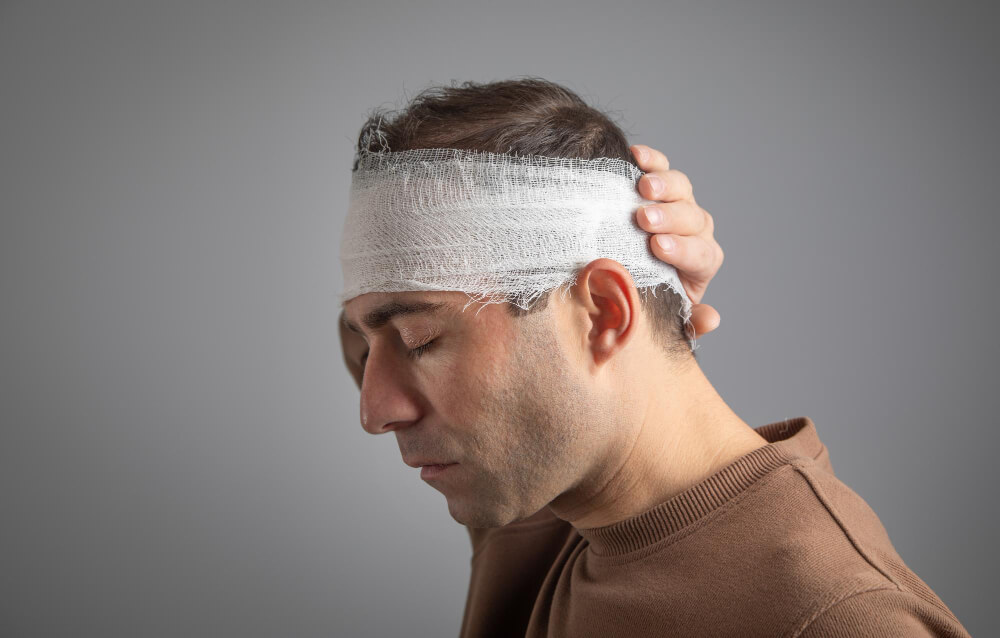
A concussion is a mild traumatic brain injury (mild TBI) that disrupts normal brain function. It happens when a blow, jolt, or sudden movement causes the brain to slide back and forth against the inner walls of the skull. That motion can stretch and tear brain cells, triggering chemical changes that interfere with how the brain works.
You do not need to lose consciousness to have a concussion. Many people stay awake through the entire event and still suffer real damage. Even a so-called “mild” concussion can affect memory, balance, concentration, and mood for weeks. The injury may not appear on a standard CT scan or MRI, which is one reason insurance companies sometimes try to downplay it.
Common causes of concussion injuries
Falls are the most common cause of concussions, followed by sports-related collisions and motor vehicle crashes. Below are the situations where we see these injuries most often in Miami.
Car accidents
Rear-end collisions, head-on crashes, T-bone impacts, and rollover accidents all generate enough force to cause a serious injury to the brain. Even low-speed motor vehicle crashes can produce a concussion if the head and body snap forward and back quickly, causing temporary loss of normal brain function.
Slip and fall accidents
Wet floors, cracked sidewalks, uneven stairs, and poorly lit walkways cause people to fall and strike their heads against hard surfaces. Older adults face a greater risk of concussion from falls because of age-related balance and bone-density changes. Premises liability law may apply when a property owner failed to address known hazards.
Pedestrian, bicycle, and motorcycle accidents
Pedestrians, cyclists, and motorcyclists have very little protection between themselves and the road. A direct hit from a vehicle, sudden stopping, or contact with the pavement can cause a serious concussion or worse head injury.
Other blunt-force trauma
Contact sports like football and hockey, falling objects at construction sites, boating collisions, and physical assaults can all lead to concussions. Young athletes playing sports like soccer or hockey face an increased risk of sport-related concussion injuries. Concussion prevention in these settings depends on proper equipment, rule enforcement, and recognizing when a player needs to leave the field.
Symptoms of a concussion
Common symptoms of a concussion include headache, confusion, and memory loss, often involving forgetting the event that caused the injury. Physical, cognitive, and emotional symptoms can overlap, and their severity varies from person to person. Watch for the following symptoms after any head injury:
|
Physical symptoms |
Cognitive symptoms |
Emotional symptoms |
|
Headache |
Confusion |
Irritability |
|
Dizziness |
Memory problems |
Anxiety |
|
Nausea or vomiting |
Difficulty concentrating |
Mood swings |
|
Blurred vision |
Feeling mentally foggy |
Depression |
|
Sensitivity to light or noise |
Slowed thinking |
Feeling overwhelmed |
|
Balance problems |
Trouble following conversations |
Unusual nervousness |
|
Fatigue |
Disorientation |
Sleep disturbances |
Sleep symptoms deserve separate attention. A concussion can cause you to sleep far more or far less than usual, have trouble falling asleep, or feel persistent fatigue that rest does not fix.
Delayed concussion symptoms
Concussion symptoms usually appear right away, but they can also develop hours or days after the injury. Someone might feel perfectly fine at the accident scene and only start noticing headaches, dizziness, or trouble concentrating the next morning. This gap between the event and the onset of symptoms is one reason concussions go undiagnosed so often.
Delayed symptoms can make a concussion diagnosis harder, both medically and legally. If you have been involved in any accident with a blow or jolt to the head, pay close attention to how you feel over the next several days. Track any changes in your sleeping patterns, mood, or ability to focus.
When to get medical help
Seek emergency care immediately if you or someone near you shows any of the following symptoms after a head injury:
- Loss of consciousness, even briefly
- Severe or worsening headache that does not respond to over-the-counter pain relievers
- Repeated vomiting
- Seizures
- Slurred speech or inability to recognize people
- Increasing drowsiness or confusion
Emergency medical attention is extremely important because worsening symptoms may signal a blood clot on the brain or another serious complication. Children and adolescents who experience a concussion should see a healthcare provider trained in pediatric concussions within one to two days of the injury. Early evaluation by medical professionals protects your health and creates documentation that can be used later if a personal injury claim becomes necessary.
How doctors diagnose a concussion
Physical and neurological examination
Doctors typically start by checking your balance, reflexes, coordination, pupil response, and memory. These tests help them gauge how the injury has affected brain function.
Symptom review and medical history
Your doctor will ask what happened, when symptoms started, and whether they have changed. A history of previous concussions is relevant because repeated concussions raise the risk of longer-lasting symptoms.
Imaging tests
CT scans or MRIs may be ordered to rule out bleeding, swelling, or other structural damage. A concussion itself often does not show up on imaging, but these tests help exclude more severe brain injuries.
Follow-up monitoring
If symptoms persist, repeat visits with your doctor or a specialist such as a neurologist or occupational therapist may be necessary to adjust your treatment plan and track recovery.
Concussion recovery time
Most people with a concussion feel better within four weeks. Some, however, experience persisting symptoms that affect behavior, mood, memory, or emotions for months. Having more concussions in your history tends to mean slower recovery and sports-related injuries carry an increased risk of complications. Recovery time varies from person to person and is not always predictable. According to the 6th International Consensus on Concussion, symptoms are considered “persisting” after four weeks.
Several factors influence how quickly someone recovers:
- Age (children and older adults tend toward slower recovery)
- Whether this is a first concussion or a repeat injury
- Severity of the initial impact
- How soon rest and treatment began
Rest is important in the first 48 hours after a concussion. Guidelines recommend limiting physically strenuous tasks and intense concentration during this window. After that, a gradual return to normal physical activity is recommended once symptoms have dropped significantly. Too much prolonged rest can actually slow recovery rather than speed it.
Long-term effects of a concussion
Cognitive problems
Difficulty with memory, concentration, and cognitive function can continue well beyond the initial recovery period. Some people describe persistent brain fog that makes routine work tasks feel exhausting.
Physical problems
Chronic headaches, ongoing dizziness, balance issues, and sensitivity to light are among the most reported physical symptoms after a concussion. These may qualify as postconcussion syndrome if they last beyond the normal recovery window.
Emotional or mood changes
Anxiety, irritability, depression, and disrupted sleeping patterns affect many concussion survivors. These emotional symptoms can strain relationships and make it difficult to function at work or school.
Daily-life limitations
When cognitive function and physical symptoms do not fully resolve, everyday activities such as driving, working, or managing household responsibilities become harder. Having multiple concussions increases the risk of permanent brain damage, especially when there is not enough healing time between injuries. A second concussion before the first has fully healed can lead to second impact syndrome, a rare but potentially fatal condition.
How a concussion can affect a legal claim
A concussion injury can generate significant medical bills, time away from work, and future treatment costs, particularly when symptoms persist. Insurance companies often try to minimize concussion claims because the injury may not appear on imaging scans. The absence of visible proof does not mean the injury is not real.
Strong documentation matters. Medical records, a symptom journal, accident reports, and witness statements all help connect the concussion to the incident. If another party acted negligently, whether a reckless driver, a negligent property owner, or someone else, you may have grounds for a personal injury claim.
Compensation in a concussion case
Economic damages
These cover measurable financial losses:
- Emergency department visits and hospital bills
- Diagnostic testing (CT scans, MRIs)
- Medication and physical medicine or therapy costs
- Lost wages from missed work
Non-economic damages
Non-economic damages account for the injury’s effect on your life beyond direct costs:
- Pain and suffering
- Emotional distress
- Reduced quality of life
Future damages
If your concussion symptoms have not resolved and your doctor expects ongoing treatment, your claim may also include future medical expenses and reduced earning ability. People who have had multiple concussions face increased vulnerability to further brain injuries, which can factor into long-term damage calculations.
What to do after a concussion
Taking the right steps after a concussion protects both your health and any future legal claim. Here is what to do:
- Seek medical care right away, even if you feel fine. Some concussion symptoms take time to appear.
- Follow your doctor’s instructions on rest, medication, and activity limits.
- Keep records of every medical visit, test result, and prescription.
- Track your symptoms in a daily journal, noting headaches, dizziness, mood changes, and sleep problems.
- Save photos from the accident scene, witness contact information, and any police or incident reports.
- Avoid giving recorded statements or quick settlements to insurance adjusters before you understand the full scope of your injury.
Why talk to a lawyer after a concussion injury
A lawyer experienced with brain injury cases can help tie your concussion to the accident through medical records, expert opinions, and documentation of your symptoms over time. They can handle negotiations with insurance companies that might otherwise minimize or deny your claim.
If you are dealing with ongoing headaches, trouble concentrating, or other persistent symptoms after someone else caused your injury, getting legal guidance early gives you a stronger position. You can learn more about how a personal injury lawyer can help with your specific situation.
FAQs about concussion injuries
Speak with a lawyer about a concussion injury
If you or a family member suffered a concussion because of someone else’s negligence, you may be entitled to compensation for medical bills, lost wages, and pain. Contact us for a free consultation. Our team at Bernstein & Maryanoff will review your case, explain your options, and help you take the next step.