Broken Bones
Broken bones, also called fractures, are among the most frequent injuries that follow accidents in Miami. They happen in car crashes, slip and fall incidents, pedestrian collisions, and many other types of trauma. A bone fracture occurs when the physical force exerted on a bone exceeds its structural strength. Some fractures are immediately obvious, with visible deformity or intense pain. Others produce mild swelling and soreness that victims dismiss at first. Either way, any suspected fracture deserves prompt medical attention to prevent long-term damage.
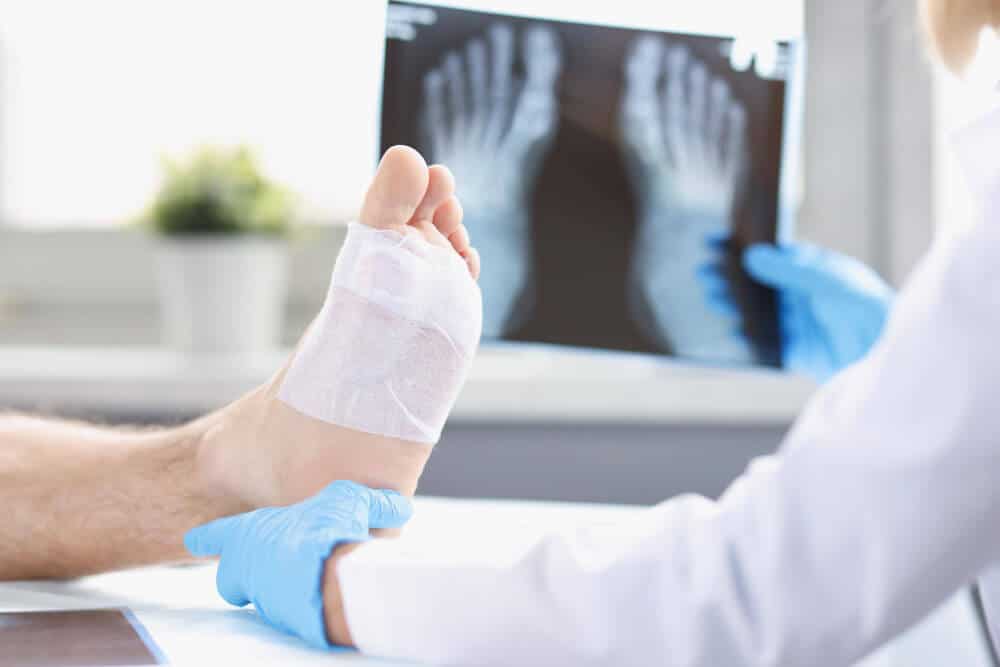
What is a broken bone?
A broken bone is any disruption in the continuity of a bone’s structure. The break can range from a hairline stress fracture, barely visible on x rays, to a complete separation where bone fragments shift out of alignment. Fractures affect nearly every part of the body: arms, legs, ribs, hands, feet, the hip, the face, fingers, and the spine.
Even a small, non displaced fracture limits movement and produces serious pain. Surrounding tissue, muscles, ligaments, and blood vessels often sustain damage at the same time. The injured area may swell rapidly as the body triggers an inflammatory phase, sending specialized cells to clean up the fracture site. Because bones provide the framework your body needs to bear weight and protect organs, any fracture deserves careful evaluation and treatment.
Common causes of broken bones
Bones can fracture due to sudden high-impact trauma, repetitive wear, or underlying biological weaknesses like osteoporosis. The most common causes of fractures include direct force, slips, trips, falls, repetitive strain, and bone-weakening diseases. Below are the situations that send the most fracture patients to Miami emergency rooms.
Car accidents
The force of a collision can snap bones in the arms, legs, ribs, face, or spine in a fraction of a second. High-speed impacts generate more force than any bone can absorb. Car accident injuries frequently include multiple fractures that require surgery and months of rehabilitation.
Slip and fall accidents
A hard fall onto a solid surface easily breaks wrists, hips, ankles, or ribs. Older adults face a higher risk because of reduced bone strength, and wet or uneven floors are a constant hazard in Miami properties. Slip and fall accident claims often involve fractures that need weeks of recovery.
Pedestrian, bicycle, and motorcycle accidents
Direct impact with a vehicle or pavement produces severe fractures because there is no protective frame around the victim. Pedestrian accidents, bicycle crashes, and motorcycle wrecks regularly result in leg, hip, and spinal fractures.
Work or sports injuries
Heavy impacts, awkward twisting, and falls from height cause broken bones on job sites and during contact sports. Construction accidents and sports injuries account for a large share of fractures in working-age adults.
Symptoms of a broken bone
Symptoms of fractures often include intense localized pain, swelling, visible bruising, inability to bear weight, loss of motion, and an obvious deformity. Not every fracture announces itself with a dramatic snap. Some produce dull, persistent aches that worsen over a few hours. Watch for these warning signs after any accident:
- Sudden, intense pain at the injury site
- Swelling that develops rapidly around the injured area
- Bruising or discoloration of the skin
- A visible deformity or unusual shape in the limb
- Difficulty moving the affected body part
- Inability to bear weight on the leg, hip, or foot
- Tenderness when the area is touched
- A grinding or popping sensation during movement
- Numbness or tingling below the fracture site, suggesting blood vessel or nerve involvement
Symptoms typically worsen with movement. Pain from a fracture often subsides before the bone is fully healed, so patients may need to limit activity even after a cast or brace is removed.
Different types of fractures
Not all fractures look or behave the same. The type of break affects pain levels, treatment options, and recovery timelines. Here are the categories doctors use most often.
|
Fracture type |
Description |
Treatment notes |
|
Simple (closed) |
The bone breaks but does not pierce the skin. The fracture site stays contained beneath muscle and tissue. |
A plaster or fiberglass cast is the most common fracture treatment. Many broken bones heal successfully once repositioned and held in proper position. |
|
Open (compound) |
The bone breaks through the skin, exposing the wound to infection risk. This is a medical emergency. |
Requires urgent surgery, antibiotics, and wound care. Open fractures carry a higher risk of complications. |
|
Stress fracture |
A small crack caused by repetitive force or overuse, common in athletes and military personnel. |
Rest and activity modification for a few weeks. Severe cases may need a brace or boot. |
|
Comminuted or displaced |
The bone shatters into multiple bone fragments or shifts out of normal alignment. |
Usually needs surgery. Open reduction and internal fixation uses screws, plates, or rods to hold fragments together. |
When to get medical help
Call your local emergency number or go to the nearest emergency room if you notice severe pain, visible deformity, numbness, bleeding through the skin, or inability to move the injured area after an accident. Do not try to straighten a suspected fracture yourself. Apply ice packs wrapped in a clean cloth to reduce pain and swelling while waiting for emergency help.
A fractured bone should never be ignored, even if the pain feels manageable at first. Basic first aid, such as immobilizing the area with a splint and applying pressure to any bleeding, helps until you reach a healthcare provider. Prompt treatment prevents misalignment, infection in open fractures, and long-term joint damage. Emergency care is particularly urgent when bone pierces the skin, when there is heavy bleeding, or when the injury involves the head, neck, or spine, as these can be life threatening. A spinal cord injury requires immediate stabilization.
How doctors diagnose a broken bone
Physical examination
A doctor performs a physical exam, checking for swelling, tenderness, range of motion, and visible deformity. They may gently press the injured area to identify the exact point of pain.
Imaging tests
X rays are the standard first step and will confirm most fractures. When the break is subtle or involves soft tissue damage, a CT scan or MRI provides a more detailed view. Imaging tests also reveal whether bone fragments have shifted.
Medical history and symptom review
Doctors ask how the injury happened, what symptoms began afterward, and whether any medical conditions like osteoporosis or diabetes could affect healing.
Follow-up care
Repeat visits with new imaging help monitor whether the bone heals in correct alignment. Misalignment discovered late can mean additional surgery.
Broken bone recovery time
The biological recovery process for a broken bone typically spans 6 to 12 weeks for structural healing, while complete tissue remodeling can take several years. Bone healing occurs in overlapping phases: inflammatory, reparative, and remodeling. During the reparative phase, the blood clot at the fracture site is bridged by a soft callus, which is then replaced by a hard callus visible on imaging. During the remodeling phase, that hard callus is slowly restructured into compact, mature bone.
Recovery times vary widely. Finger fractures may heal in 3 to 4 weeks. A broken leg could take 6 to 8 weeks or several months. Treatment may include a cast, brace, surgery, external fixation, or physical therapy depending on the fracture type. Risk factors that slow healing include smoking, diabetes, low vitamin D, and inadequate blood supply. Strict adherence to loading schedules is necessary, since improper timing can shift bone pieces or worsen muscle wasting. A non displaced fracture generally heals faster than one where the bone has shifted. Expect recovery to affect work, driving, and daily routines for weeks or months.
Long-term effects of a broken bone
Chronic pain
Some patients experience lingering pain or stiffness at the fracture site long after the bone heals. Cold weather, overuse, and changes in pressure can trigger flare-ups that require ongoing medication to relieve pain.
Reduced mobility
Movement, muscle strength, and flexibility may remain limited even after physical therapy. A fracture near a joint often causes permanent range-of-motion loss.
Arthritis or joint problems
Fractures that extend into a joint increase the risk of post-traumatic arthritis. Cartilage damage at the time of injury speeds up wear over the following years.
Work and lifestyle impact
Ongoing physical limits can force career changes, end participation in sports or exercise, and reduce overall quality of life. These losses carry real financial and personal weight in a personal injury claim
How a broken bone can affect a legal claim
Fractures often lead to emergency room visits, surgery, extended physical therapy, missed work, and future medical costs. All of these expenses strengthen a personal injury claim when another party caused the accident.
Insurance companies frequently argue that the fracture was pre-existing, less severe than claimed, or unrelated to the accident. Imaging results, medical records, surgical reports, and treatment notes serve as the best treatment evidence to counter those arguments. Documenting your diagnosis from the first emergency visit through every follow-up appointment builds a clear timeline connecting the broken bone to the incident.
Factors such as diabetes, smoking, and inadequate blood supply can slow healing and complicate cases further, because insurers may blame the delayed recovery on the victim’s health rather than the accident. Having complete medical records helps your attorney shut down those tactics.
Compensation in a broken bone case
Economic damages
Hospital bills, surgery costs, medication, cast or brace expenses, ambulance fees, and lost wages all fall under economic damages. These are calculated from receipts, pay stubs, and billing records.
Non-economic damages
Pain and suffering, emotional distress, and reduced enjoyment of life are harder to quantify but can represent a large portion of a settlement.
Future damages
Ongoing therapy, follow-up surgeries, prescription costs, and reduced earning ability over a lifetime are recoverable when supported by medical testimony and documentation. Learn more about how settlements are calculated.
What to do after a broken bone
Taking the right steps immediately after a fracture protects both your health and any future legal claim. Follow these steps:
- Get medical treatment right away. Call emergency help or visit the nearest hospital.
- Follow your doctor’s full treatment plan, including rest, medication, and follow-up appointments.
- Keep records of every visit, scan, surgery, prescription, and therapy session.
- Track your pain levels, mobility limits, and any days of missed work in a written journal.
- Save photos of your injuries, witness contact information, and any accident reports.
- Avoid giving recorded statements to insurance adjusters before speaking with an attorney.
These records become the foundation of your case. Without them, it is much harder to prove the full extent of your injury and connect it to the accident. For more guidance, see how to increase your settlement value.
Why talk to a lawyer after a broken bone
A personal injury lawyer can document the full impact of your fracture on daily life, including medical costs, lost income, and pain. They gather imaging results, surgical records, and specialist opinions to build a case that ties the injury directly to the accident.
Attorneys also handle disputes with insurance companies that try to minimize payouts or deny claims altogether. If the insurer argues your fracture was pre-existing or less serious than you say, your lawyer knows how to file and fight the claim on your behalf. Free consultations make it possible to get advice before committing to anything.
FAQs about broken bones
Speak with a lawyer about a broken bone
If someone else’s actions caused your fracture, you may have the right to recover compensation for medical bills, lost income, and pain. Our attorneys review broken bone cases at no upfront cost. We handle the insurance process so you can focus on healing.
Contact us today for a free consultation to discuss your situation and learn what options are available to you.