Back Injury
Back injuries range from pulled muscles and ligament sprains to herniated discs and spinal trauma. In Miami, they frequently result from car accidents, slip and fall incidents, workplace lifting mishaps, and pedestrian collisions. Some people feel sharp pain right away, while others notice stiffness or numbness only hours or days after the event. Regardless of when symptoms start, a back injury can limit daily life, restrict mobility, and lead to chronic pain if left untreated.
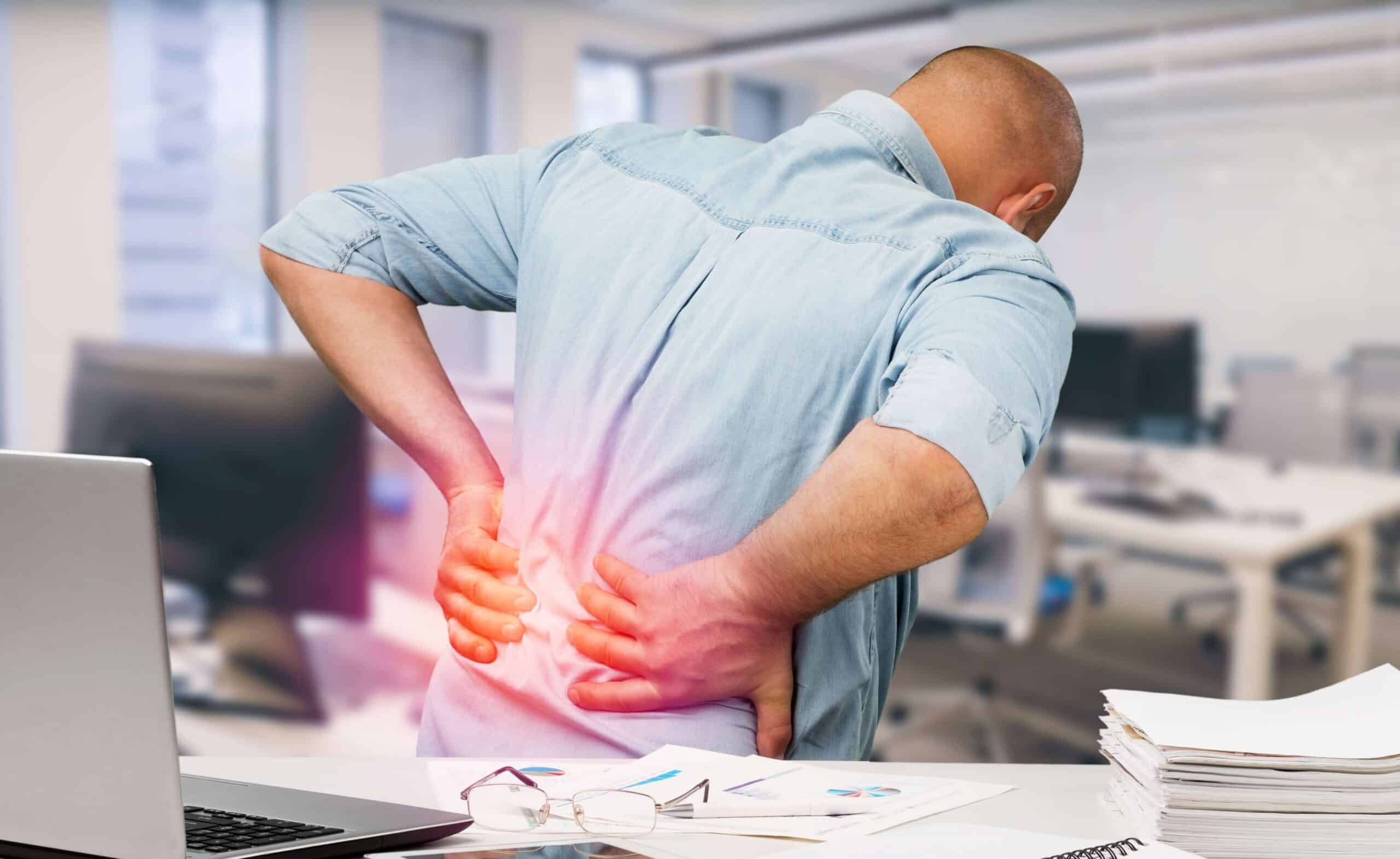
What is a back injury?
A back injury is any damage to the muscles, ligaments, bones, discs, or nerves along the spinal column. The spine supports your body weight, protects the spinal cord, and allows you to bend, twist, and stand upright. When any part of that structure is harmed, the effects can spread far beyond the injured area.
Even mild back pain can point to something more serious underneath. A strained muscle might mask a herniated disc, and a dull ache in the lower back can signal nerve root compression. Without a proper physical exam and imaging, it is hard to tell whether the problem will resolve in a few days or require months of treatment. Pain that seems minor at first can worsen over time, limiting physical activity and making usual activities difficult.
Common causes of back injuries
Back injuries are primarily mechanical, resulting from physical stress or structural changes in the spine. Below are the most common causes of back injuries in Miami.
Car accidents
Sudden impact in a car accident can compress spinal discs, strain muscles, and fracture vertebrae. Rear-end collisions are especially harmful because the force snaps the torso forward and back, putting extreme pressure on the lumbar and cervical spine. Severe pain following a crash warrants immediate medical evaluation, as it may indicate spinal cord damage. If you were hurt in a crash, learn more about neck, back, and spinal injuries after a car accident.
Slip and fall accidents
A hard landing on a wet floor, uneven sidewalk, or stairway can fracture lumbar vertebrae, tear ligaments, or force a disc out of position. Falls are a leading source of back injuries among older adults in Miami, where outdoor walkways and commercial properties sometimes lack proper maintenance. Our Miami slip and fall accident lawyers can help if you were injured on someone else’s property.
Pedestrian, bicycle, and motorcycle accidents
Direct impact between a vehicle and an unprotected person can cause severe spinal injury, including fractures and permanent paralysis. Motorcycle and bicycle riders absorb the full force of a collision, often injuring the thoracic and lumbar regions. Recovery from these accidents tends to be long, painful, and expensive.
Lifting or work-related injuries
Improper material handling, such as lifting heavy objects by bending at the waist, places immense stress on the lumbar region. Repetitive twisting, poor posture at a desk, and cumulative wear from prolonged sitting can also weaken spinal structures over time.
Symptoms of a back injury
Symptoms of a back injury vary depending on which structures are affected. Some signs appear right away; others develop gradually over a few days. Pay attention to the following symptoms:
- Persistent or worsening pain in the upper, middle, or lower back
- Stiffness and muscle spasms that limit range of motion
- Pain that radiates down the legs, buttocks, or into the shoulders and arms, which can signal nerve involvement
- Numbness, tingling, or muscle weakness in the legs or arms
- Difficulty moving, standing, walking, or sitting for extended periods
- Pain that gets worse with bending, lifting, or twisting
Radiating pain down the legs or numbness after a back injury can indicate nerve compression, which may worsen over time and require prompt medical attention.
Different types of back injuries
Back injuries commonly result from muscle strains, ligament sprains, herniated discs, or spinal fractures. The type of injury determines treatment options and recovery time.
|
Injury type |
Description |
Common symptoms |
|
Muscle strains and ligament sprains |
Straining a muscle or tearing a ligament often happens during awkward twisting, sudden movements, or poor lifting techniques. |
Localized pain, stiffness, muscle spasms |
|
Herniated or bulging discs |
A herniated disc occurs when the soft interior of a spinal disc pushes through a tear in the outer part, potentially irritating nearby nerves. |
Radiating pain, numbness, muscle weakness in legs or arms |
|
Fractures |
Broken vertebrae in the spine can result from falls, car accidents, or heavy impact. They require immediate medical attention. |
Severe pain, difficulty moving, possible spinal cord damage |
|
Spondylolisthesis |
A condition where one vertebra slips out of place due to trauma, congenital defects, or degenerative diseases. |
Lower back pain, stiffness, pain radiating to legs |
|
Cervical radiculopathy |
Nerve compression in the neck area of the spinal column, often from disc herniation or bone spurs. |
Neck pain, numbness or tingling in arms, muscle weakness |
When to get medical help
Seek medical care right away if you experience severe pain after a fall or accident, numbness or muscle weakness in your legs, or difficulty walking. These are warning signs that the spine or nerve roots may be damaged.
Sudden loss of bowel or bladder control is a medical emergency. It can indicate cauda equina syndrome, a condition that requires emergency treatment to prevent long-term damage. Pain that persists or worsens over time can also point to a serious back injury, such as a herniated disc or spinal cord injury.
After any accident, do not dismiss back pain as temporary soreness. Early diagnosis by a healthcare provider can catch fractures, disc herniations, and nerve damage before they lead to chronic lower back pain or permanent disability.
How doctors diagnose a back injury
Diagnosing a back injury usually involves several steps. Your doctor will look at the injury from different angles before recommending a treatment plan.
|
Diagnostic step |
What happens |
|
Physical examination |
The doctor checks movement, tenderness, reflexes, and nerve function. They may test your ability to walk, bend, and lift your legs to identify which structures are affected. |
|
Imaging tests |
X-rays reveal fractures and bone alignment. MRI scans show soft tissue damage such as herniated discs and nerve compression. CT scans provide detailed cross-sections of the spinal canal. |
|
Medical history and symptom review |
The doctor asks how the injury happened, when symptoms started, and whether you have a history of back problems. This context helps rule out unrelated conditions. |
|
Follow-up care |
If pain or weakness continues, repeat visits and additional imaging may be needed to track healing and adjust the treatment plan. |
Back injury recovery time
Recovery time depends on the severity and type of injury. Most back injuries heal within a few weeks without invasive intervention. A mild muscle strain may improve in one to three weeks with rest, ice packs, and over-the-counter pain relief. Acute sprains often resolve with short-term rest and alternating ice and heat therapy. Applying ice packs during the first 48 hours reduces acute inflammation, while heat therapy relaxes tight muscles.
Herniated discs and fractures take considerably longer, sometimes three to six months or more. Treatment may include medications such as acetaminophen, ibuprofen, and other nonsteroidal anti-inflammatory drugs (NSAIDs), muscle relaxants, physical therapy, steroid injections, or surgery. Physical therapy is often recommended for treating spondylolisthesis, focusing on strengthening supportive abdominal and back muscles.
For severe pain and disability that persists despite conservative treatments, surgical options like decompressive laminectomy or spinal fusion may be considered. Structural issues that fail conservative therapy may require a discectomy to remove herniated disc tissue. During recovery, patients often miss work and struggle with daily tasks such as driving, cooking, and personal care.
Disclaimer – Consult with a doctor or your healthcare provider before taking any medications.
Long-term effects of a back injury
Not every back injury heals completely. Some people face lasting consequences that change how they work, sleep, and move through daily life.
|
Long-term effect |
How it affects daily life |
|
Chronic pain |
Chronic lower back pain can persist for months or years after the initial healing period, requiring ongoing pain management with medications, steroid injections, or nerve blocks. |
|
Reduced mobility |
Walking, bending, sitting, and lifting heavy objects may become difficult or painful. Some people need assistive devices or modifications to their home and workspace. |
|
Nerve symptoms |
Tingling, numbness, or muscle weakness may continue long after the accident. Nerve damage in the spinal canal can affect bladder control, sensation in the legs, and fine motor skills. |
|
Work and lifestyle impact |
Ongoing limitations can reduce earning ability, disrupt sleep, and lower quality of life. People with physically active jobs may be unable to return to their previous role. |
How a back injury can affect a legal claim
A back injury can generate steep costs: emergency room visits, MRI scans, physical therapy sessions, prescription medications, and lost wages during recovery. If surgery becomes necessary, expenses climb even higher. Future treatment costs, such as ongoing pain management or additional procedures, add to the financial burden.
Insurance companies often argue that a back injury is pre-existing or less severe than the claimant describes. Strong documentation counters these arguments. Medical records, imaging results, treatment notes, and a consistent history of care help connect the injury to the accident. Without that paper trail, an insurer has room to minimize or deny the claim.Read more about how long a personal injury lawsuit takes and how to file a personal injury claim.
Compensation in a back injury case
If someone else caused your back injury, you may be entitled to compensation covering several categories of damages.
|
Damage category |
What it covers |
|
Economic damages |
Medical bills (ER visits, MRI, surgery), prescription costs, physical therapy sessions, lost wages, and reduced earning capacity during recovery. |
|
Non-economic damages |
Pain and suffering, emotional distress, loss of enjoyment of life, and the impact on personal relationships caused by ongoing pain and physical limitations. |
|
Future damages |
Projected costs for ongoing care, additional surgeries, long-term pain management, and reduced earning capacity if the injury permanently limits the kind of work you can do. |
For more on what your case may be worth, see our guide on how much to ask for in a personal injury settlement.
What to do after a back injury
The steps you take after a back injury affect both your health and any future legal claim. Here is what to do:
- Seek medical treatment as soon as possible, even if pain feels mild
- Follow the treatment plan your doctor prescribes, including physical therapy and medication schedules
- Keep records of every medical visit, scan, and prescription
- Track your pain levels, mobility limits, and days missed from work in a written log
- Save photos of the accident scene, your injuries, witness contact information, and any accident reports
- Avoid giving recorded statements or signing documents from insurance adjusters before consulting a lawyer
Why talk to a lawyer after a back injury
A lawyer experienced in back injury cases can document the full scope of your injury, from initial treatment through long-term care needs. They handle communication with insurers, gather medical evidence, and build a case that connects your injury to the accident.
Insurance adjusters are trained to settle claims for as little as possible. Having legal representation levels the field. If your back injury resulted from someone else’s negligence in a car accident, slip and fall, or workplace incident, speaking with an attorney early can protect your right to fair compensation.
Find out when to hire a personal injury lawyer and learn about what a personal injury lawyer does.
FAQs about back injuries
Speak with a lawyer about a back injury
If you suffered a back injury because of someone else’s carelessness, you do not have to handle the medical bills, insurance disputes, and recovery alone. Our attorneys review back injury cases at no upfront cost. Call us or fill out the contact form for a free consultation. The sooner you reach out, the sooner we can start protecting your rights.
Call us today or visit our contact page to schedule your free consultation.