
Tesla Autopilot Accident Lawyer Miami
If you or someone you love was hurt in a crash involving a Tesla vehicle operating on Autopilot or Full Self-Driving in Miami or anywhere in South Florida, you are not alone. The National Transportation Safety Board and NHTSA have investigated Tesla Autopilot crashes for years. Federal investigators identified at least 13 fatal Tesla Autopilot crashes and many more serious injuries before a sweeping 2023 recall covered every Tesla model equipped with the Autopilot system.
We take these cases on a contingency fee, which means no upfront costs and no legal fees unless we win fair compensation for you. Call today for a free case review.
If you need an injury attorney in Miami, call Bernstein & Maryanoff for results you can trust.


Our Proven Results Speak for Themselves
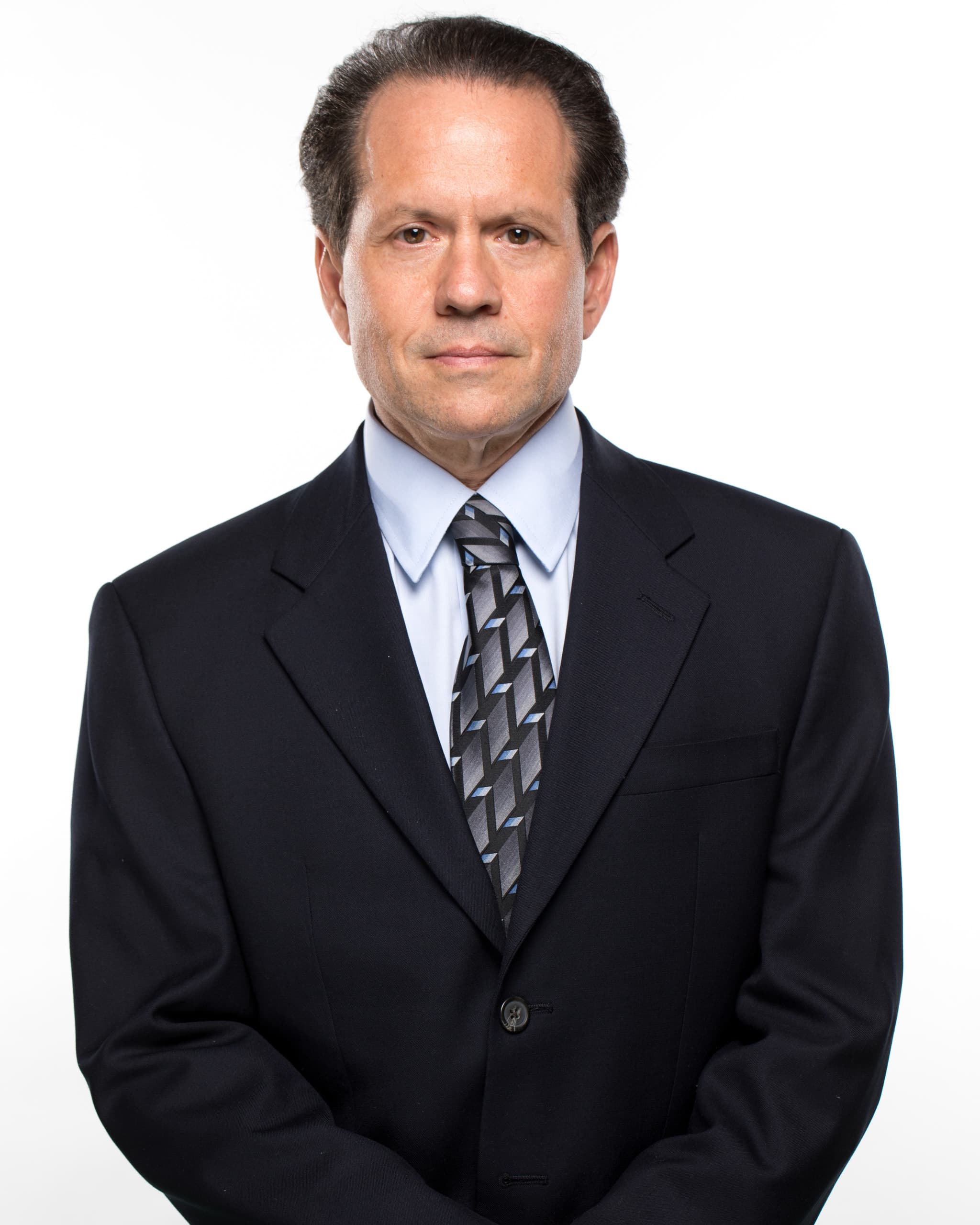
Since 1983, Jack G. Bernstein has fought for injury victims seeking compensation. He’s involved in every personal injury case handled by the experienced attorneys at his law firm, providing expert oversight for the personal injury lawyers at Bernstein & Maryanoff, and helping to ensure clients recover the maximum compensation available.
$3 million settlement
Wrongful death in motor vehicle accident.
$3 million settlement
Secured for a client with neck injuries in car accident.
$2.76 million Settlement
Wrongful death in motor vehicle accident.
$2.25 settlement
secured for a client with paralyzed in medical malpractice.
$2 million settlement
secured for a client with brain injury in medical malpractice.
$1.75 million Settlement
Secured for a client with burns and dystrophy in slip and fall accident.
What Is A Tesla Autopilot Accident?
A Tesla Autopilot accident is any crash where a Tesla’s Autopilot system, its self-driving features, or its Full Self-Driving feature either failed to respond to a hazard or gave the driver a false sense that the autonomous vehicle could handle the situation without human input. Tesla classifies Autopilot as an SAE Level 2 advanced driver-assist system, which means the driver is supposed to stay fully attentive at all times.
In practice, that warning often goes ignored. Tesla drivers treat the Autopilot feature as if it makes the car fully autonomous. These crashes typically happen at intersections, highway exits, or when the Autopilot system misreads a stationary object like a parked SUV or a disabled Ford Fiesta. Injuries range from minor cuts and bruises to catastrophic injuries and fatal crashes. The scale of the problem led to Tesla’s largest-ever recall in December 2023, covering roughly 2 million vehicles after NHTSA determined the system’s controls were not enough to prevent foreseeable driver misuse.
NHTSA also opened a separate investigation in October 2024 after identifying FSD crashes in low-visibility conditions, including one in which a Tesla fatally struck a pedestrian while the self-driving system was engaged. If you were hurt in any of these scenarios, a Tesla accident lawyer can help you understand your legal rights and legal options.
Common Scenarios In Tesla Autopilot Crashes
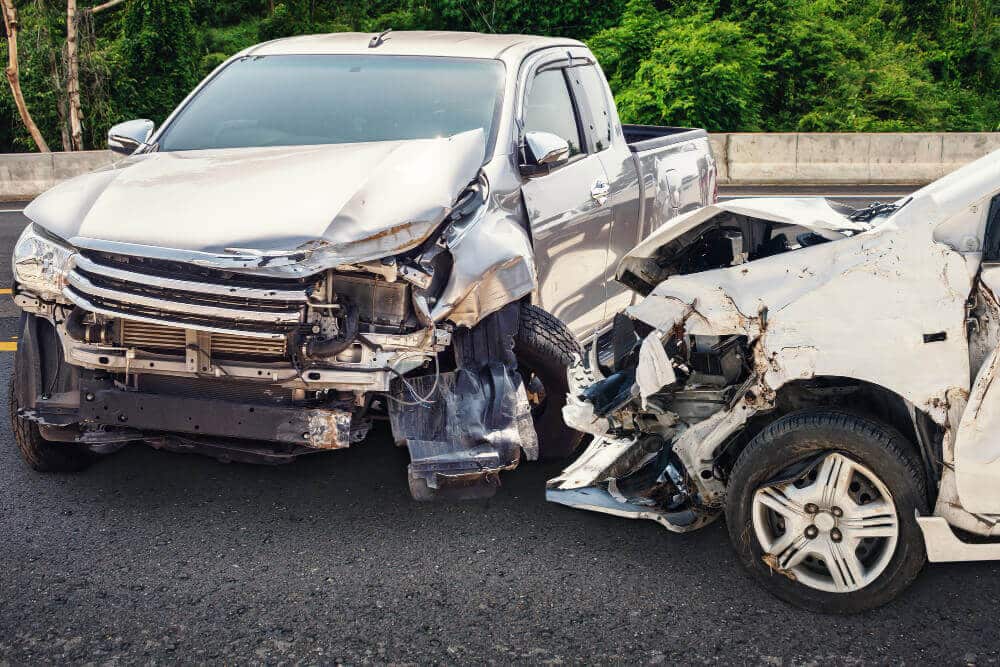
NHTSA reviewed 956 Autopilot-related crashes during its EA22002 investigation. The data reveals four patterns that come up repeatedly in Tesla car accidents across Miami-Dade and Broward County. Florida drivers on highways like I-95 and the Turnpike face these risks daily.
|
Crash type |
What happens |
NHTSA data |
|
Stationary-object strike |
Tesla hits a parked car, emergency vehicle, or highway debris at full speed |
211 of 467 categorized crashes involved frontal strikes on stationary obstacles |
|
Intersection / T-intersection error |
FSD turns from the wrong lane or enters opposing traffic |
PE25012 opened in 2025 for FSD traffic-safety violations at intersections |
|
Driver over-reliance |
Driver trusts the system and stops paying attention |
Tesla called an industry outlier for weak driver monitoring paired with capable automation |
|
Sudden lane departure |
Autosteer deactivates after a minor steering correction, sending the car off course |
111 crashes involved roadway departures from inadvertent Autosteer disengagement |
Failure to recognize stationary objects
Federal crash data confirms that 211 of the classified Tesla Autopilot crashes involved the vehicle striking a stationary obstacle, even though an attentive driver would have had enough time to react. These collisions frequently occur at highway speeds and involve parked cars, emergency vehicles, and highway debris. When Tesla’s Autopilot fails to detect a stopped object, the resulting car crash is often severe or fatal.
Misreading intersections and T-intersections
Federal regulators launched a formal investigation in 2025 after documenting repeated cases of FSD executing maneuvers that break traffic laws, including turning from the wrong lane and pulling into oncoming traffic at a T-intersection. Crashes at intersections are especially dangerous because closing speeds are high and reaction time is minimal.
Driver over-reliance and inattention
NHTSA concluded that Tesla’s Autopilot system invited greater driver confidence while pairing that capable automation with a weak driver-monitoring setup. Unlike competing Level 2 systems, Tesla was flagged as an industry outlier because its software actually resisted when drivers tried to provide manual steering input.
Tesla’s marketing of names like “Autopilot” and “Full Self-Driving” contributed to over-reliance. The result: drivers became complacent, and distracted driving behind an engaged Autopilot mode turned into a common factor in numerous accidents and serious injuries.
Sudden lane changes or erratic steering
A less obvious crash pattern involves Autosteer unexpectedly deactivating when a driver’s minor steering correction exceeds Tesla’s override threshold. The car then drifts or departs the lane without warning. NHTSA recorded 111 such roadway departures in its investigation, often resulting in sideswipes or single-vehicle crashes. These autonomous driving features can fail in ways that catch even attentive Tesla drivers off guard.
Who is liable in a Tesla Autopilot crash?
Liability in a crash involving Tesla’s Autopilot can fall on one party or several at once. Below is a breakdown of the responsible parties that our personal injury lawyers evaluate in every Tesla accident case.
The Tesla driver
Even with Autopilot engaged, the driver can share fault. If the driver was texting, failed to monitor the road, or ignored the system’s takeover alerts, Florida law treats that as driver error. Insurance companies will look for any sign of inattention to shift blame away from the technology and onto the person behind the wheel. An experienced car accident lawyer can counter these arguments with event data showing what the system actually did, and what it failed to do.
Tesla as a vehicle manufacturer
Tesla faces product-liability exposure when its Autopilot software, sensors, warnings, or marketing contributed to the Tesla crash. In August 2025, a Miami jury issued the first U.S. wrongful-death verdict directly tying Tesla Autopilot to liability, awarding $243 million, including $200 million in punitive damages, in Benavides v. Tesla. That verdict was upheld in February 2026. Claims against Tesla as a vehicle manufacturer typically fall under design-defect or failure-to-warn theories, both of which our law firm has experience litigating.
Other drivers and third parties
Other motorists, pedestrians, road-design flaws, and even government entities can play a role. In a multi-vehicle accident, liability may be split between the Tesla driver, another driver, and the vehicle manufacturer. Witness statements and accident reconstruction experts help sort out each party’s share of responsibility.
How Florida’s fault rules apply
Florida operates under a modified comparative-fault system since HB 837 took effect on March 24, 2023. If an injured victim is found more than 50% responsible for the crash, they recover nothing. If the victim’s fault is 50% or less, compensation is reduced by their percentage of responsibility. This rule makes early evidence preservation critical, because insurers in Autopilot cases aggressively argue that the driver, not the technology, caused the collision. Learn more about proving negligence.
What to do after a Tesla Autopilot accident in Miami
The steps you take in the hours and days after a Tesla crash can determine whether your case succeeds or falls apart. Follow these steps to protect your claim.
Seek immediate medical care
Go to the hospital or an urgent-care clinic, even if you feel fine. Injuries like whiplash, traumatic brain injuries, and internal bleeding often do not produce symptoms for hours or days. Medical records created right after the accident connect your injuries to the crash. Insurance adjusters will challenge that connection if you wait too long to see a doctor. Medical expenses documented from day one strengthen your claim for compensation.
Preserve the scene and evidence
Photograph the vehicles from every angle, including the Tesla’s screen if it shows an Autopilot-related message. Capture road conditions, traffic signs, skid marks, and debris patterns. Collect contact information from any witnesses. Do not admit fault or speculate about what the technology did or did not do.
Contact law enforcement and obtain a report
A police report creates an official record of the crash, including the responding officer’s observations and any preliminary fault determination. In Miami-Dade County, you can request a copy of the report through the local police department or the Florida Highway Patrol. That document becomes part of the evidence file your attorney builds.
Preserve vehicle and software data
Tesla’s built-in Event Data Recorder (EDR) captures pre-crash speed, braking inputs, steering angle, and whether Autopilot was engaged. This data is compliant with 49 CFR Part 563 and stored in the vehicle’s Restraints Control Module. It can be overwritten or lost if the car is repaired or totaled before the data is downloaded. A Tesla accident lawyer should be involved early to send a spoliation letter and secure this evidence before software updates or repairs destroy it.
Avoid talking directly to insurers
Insurance adjusters will call quickly and try to get a recorded statement. Their goal is to minimize the payout or shift blame onto the driver. Let your attorney handle these conversations. Anything you say can be used to reduce your compensation later.
How Tesla’s Autopilot and Software Are Investigated In Court
Building a Tesla Autopilot case requires technical evidence that goes far beyond a standard car accident claim. The process works as follows.
Working with accident reconstruction experts
Attorneys retain accident reconstruction experts and engineers who analyze speed, braking patterns, steering inputs, and environmental conditions at the crash site. These experts use physical evidence, dashcam footage, and satellite data to build a second-by-second timeline of what happened. Their expert testimony is often the backbone of a Tesla accident case. This mirrors the approach used in semi-truck accident claims, where technical evidence and data logs are standard.
Reviewing event data and sensor logs
Tesla vehicles combine traditional EDR data with vehicle telemetry and multi-camera video recorded by the car’s eight external cameras. Attorneys and forensic specialists pull this data to confirm whether Autopilot was active, what warnings the system issued, whether the driver provided any steering or braking input, and what the cameras recorded in the seconds before impact. Delta-V and crash-pulse data also help evaluate injury severity.
Assessing Tesla’s marketing and warnings
Courts examine whether Tesla’s marketing materials and the names “Autopilot” and “Full Self-Driving” misled drivers about how much human supervision was actually required. NHTSA concluded that Tesla was the only Level 2 system that actively resisted driver steering corrections, a design feature that discouraged the human oversight its own manual demanded. Tesla’s marketing is now a standard area of discovery in Autopilot litigation.
Pursuing product-liability and personal-injury claims
Victims can bring both a personal injury claim against the at-fault driver and a product-liability claim against Tesla if the technology contributed to the crash. Claims against Tesla typically center on design defect (the Autopilot system was unreasonably dangerous) or failure to warn (Tesla did not adequately communicate the system’s limitations). A manufacturing defect theory may also apply if a specific sensor or component in the Tesla vehicle failed.
What compensation can you recover after a Tesla Autopilot crash?
The damages available depend on the severity of the injuries, the number of responsible parties, and whether the crash was fatal.
Economic damages: medical bills and lost income
Economic damages cover every out-of-pocket cost tied to the crash. That includes emergency room treatment, hospitalization, surgery, imaging scans, physical therapy, prescription medications, and ongoing rehabilitation. Victims can also recover lost wages from missed work and, if the injuries are permanent, reduced future earning capacity. These numbers are documented through medical records, pay stubs, and expert testimony from economists and life-care planners. Medical bills, medical expenses, and lost income form the foundation of most Tesla Autopilot compensation claims.
Non-economic damages: pain, suffering, and emotional distress
Non-economic damages account for the harm that does not come with a receipt. These include physical pain, emotional distress, anxiety, depression, loss of enjoyment of life, and the strain a serious injury places on family relationships. In catastrophic injury cases involving spinal cord damage or traumatic brain injuries, these damages can exceed the economic losses by a wide margin. Florida law does not cap non-economic damages in most personal injury cases. Our goal is to recover maximum compensation for every client.
Wrongful death and loss of a loved one
When a Tesla Autopilot crash kills someone, surviving family members can file a wrongful death claim under Florida statutes. Recoverable damages include funeral and burial costs, loss of financial support, loss of companionship and guidance, and the mental anguish of the surviving spouse, children, or parents. In cases involving willful misconduct or gross negligence by Tesla, punitive damages may also be available, as the Benavides v. Tesla verdict demonstrated.
Florida-Specific Law And Deadlines For Tesla Autopilot Cases
Missing a deadline or misunderstanding how Florida’s fault rules work can destroy an otherwise strong case. The following rules directly affect your legal rights and legal options.
Florida’s statute of limitations
Florida law gives most Tesla Autopilot crash victims two years from the date of injury to file a personal injury lawsuit. Under HB 837, signed March 24, 2023, that window was cut from four years to two. Wrongful death claims also carry a two-year deadline. Limited exceptions exist for cases involving minors or delayed discovery of injuries, but relying on an exception is risky. Learn more about the Florida personal injury statute of limitations.
Comparative fault and the 51% rule
Florida follows a modified comparative negligence standard since HB 837 replaced the old pure comparative system. If a jury finds the victim more than 50% at fault, the victim recovers nothing. If the victim is 50% or less at fault, the award is reduced by their share of responsibility. In Tesla Autopilot cases, insurance companies aggressively argue that the driver, not the Autopilot system, was the primary cause. Proving what the software did, and what it failed to do, is the counter to that strategy. Read about how to dispute fault after a crash.
Insurance and multiple parties
Tesla Autopilot cases often involve several insurance policies and multiple responsible parties: the Tesla driver’s auto insurer, Tesla’s corporate liability coverage, and potentially the policies of other drivers or third parties involved in the crash. Coordinating claims across multiple carriers is more complex than a standard car accident insurance claim. An attorney experienced in Tesla accident cases can identify every available source of recovery and manage the legal process across all of them.
Contact a Tesla Autopilot accident lawyer in Miami today
Bernstein & Maryanoff represents victims and families harmed in Tesla and Autopilot-related crashes across Miami-Dade, Broward, and Palm Beach counties. Our personal injury lawyers handle the technical evidence, from EDR downloads to sensor logs and software updates. We work with accident reconstruction experts to prove liability and pursue maximum compensation for medical bills, lost income, lost wages, pain and suffering, property damage, and wrongful death claims.
Every case starts with a free consultation. We work on a contingency fee, so you owe nothing unless we recover compensation for you. No upfront costs. No hidden fees.
Call now or schedule your free case review today. Contact Bernstein & Maryanoff at (305) 570-2222 or visit our contact page to get started. The sooner you act, the easier it is to preserve the Tesla’s data and protect your legal rights.
NO FEES UNLESS WE WIN
Protecting Your Rights Since 1983
For more insight into your case, contact our team for a free consultation today.
Hablamos Español
Testimonials
Jack G. Bernstein has been practicing law since 1983 and it shows. His expertise in personal injury has gained him recognition in Miami and across the state of Florida. The unique strategy that led to his success rests on his passion for protecting his clients’ rights and genuine concern for those in need.