Boat Operator Responsibility After an Accident
Florida’s waterways see hundreds of boating accidents every year, involving everything from jet skis to commercial boats. In 2022 alone, there were 735 accidents and 65 deaths statewide.
When accidents happen, boat operators have a legal duty to assist anyone injured. Understanding these responsibilities and knowing your rights can make all the difference in staying safe and protecting yourself on the water. Being prepared and informed is key to handling any emergency effectively.
In this article, we’ll explain when a boat operator is required to provide assistance after an accident, what steps to take if you’re involved, and how Florida law protects those who get injured on the water.
When is a boat operator required to assist anyone injured in an accident?
Boat operators are held to a higher degree of safety standards than their passengers, especially when considering when is a boat operator required to assist anyone injured in an accident under Florida law.
if anyone involved in a boating accident causing serious bodily injury, the boat operator must immediately assist the victim and take reasonable and specific actions following an accident.
Florida Statute 327.30 requires boat operators to assist their passengers and others after a boating accident. The law details that boat operators must give “such assistance as is practicable and necessary in order to save them from or minimize any danger.”
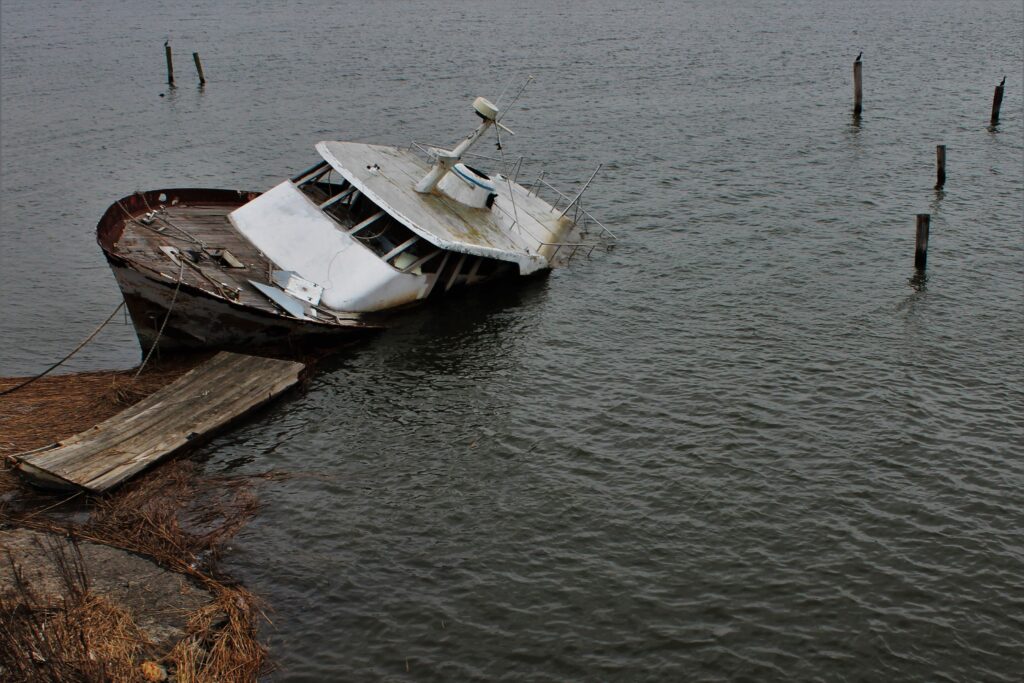
This may apply when the other boat is immobilized, in the way of other boats, is sinking, or is on fire. Boat operators must also assist anyone who has been seriously injured.
Boat operators have a duty of care to provide assistance when needed, and failing to meet this duty can result in civil liabilities.
When Do I Have to Assist Someone Injured at Night?
At night, it’s clear I have to assist someone injured in an accident—but only if it’s safe. If someone is injured in an accident and asks for help at night, I only have to assist if it’s safe in all circumstances.
Because nighttime conditions reduce visibility and increase risks on the water, I need to evaluate the situation before acting. I should assist if it doesn’t put me, my passengers or the vessel in danger. If the risks are too great, like rough waters, no lighting, or other hazards, I don’t have to put myself in harm’s way.
In all cases, safety comes first. The duty to help injured persons at night only exists if it can be done safely in all circumstances.
What needs to be done after a boating accident
If you are the operator of a boat and have been involved in a boating accident on Florida waterways, state law requires you to do the following:
- Stop and Remain at the Scene: Stop your vessel following the accident and remain at the scene. If the site of the accident is dangerous, you should leave the site but remain close to the scene.
- Assist the Injured Without Risking Safety: If anyone is injured, you must assist them as long as you can without risking your own safety or the safety of your passengers
- Exchange and Leave Contact Information: You will also need to collect the contact information of the operator of the other boat. If the vessel you have struck is unattended, you should leave your contact information with the other vessel and take reasonable measures to track down and alert the owners.
- Notify Authorities Immediately: After a boating accident, call the proper authorities immediately. If someone is seriously injured or missing call 911. Emergency dispatchers will connect you to the U.S. Coast Guard. If you can’t call or have no cell service use your onboard radio to call for help on Channel 16, the Coast Guard’s emergency frequency on Florida waterways.
- Collect Evidence at the Scene: After an accident, it’s important to collect evidence at the scene of the accident to support your claim. Evidence can include photographs of the scene, damage, and witness statements.
- Consult a Florida Boat Injury Attorney: Finally, seeking out the guidance of a Florida boat injury attorney can help you better understand your legal rights and options
When should a boating accident be reported?
According to Florida Statute 327.30, you must report your boating accident if the following has occurred:
- There was a death
- If someone was seriously injured beyond what basic first aid can remedy
- If someone has disappeared
- If there was over $2,000 worth of damage to the boat
- If there was a total loss of the boat, like a sinking, fire, or explosion
Who should boat accidents be reported to?
Following a boating accident, you can make an official report to any of the following agencies:
- The County Sheriff’s Office, where the accident occurred
- The local police department
- The Division of Law Enforcement
- Florida Fish and Wildlife Conservation Commission
Not all boating accidents need to be reported. Minor accidents can be resolved without alerting local authorities or the Division of Law Enforcement, Florida Fish and Wildlife Conservation Commission.
If someone is seriously injured while on your boat, you must always contact the local authorities to ensure they get the proper medical treatment.
If you are a boat operator and fail to do so, you could be liable for failing to act.
Florida law requires safety equipment on boats
Like all states, Florida law has strict safety guidelines all boat operators, and their passengers must adhere to while on Florida waterways. Part of these guidelines is safety equipment on all vessels. According to the Florida Fish and Wildlife Conservation Commission, all boat operators must have the following on their boat at all times:
- A USCG-approved personal flotation device (PFD) (one per person)
- If your vessel is longer than 16 ft, you must have one USCG-approved throwable Type IV personal flotation device
- A USCG-approved Type I, II, or III personal flotation device must be worn by children under the age of six at all times when on board a vessel 26 ft in length and under
- A fire extinguisher on vessels with built-in fuel tanks or enclosed areas
- A noise-producing device such as a whistle
- Vessels 16 ft and under must have visual distress signals, such as a flare, approved for nighttime use.
- Vessels over 16 ft should have three distress signals for nighttime use and three for daytime use (or three combination distress signals)
- Vessels should display navigation lights between sunset and sunrise and during times of reduced visibility, like during fog or rain
What if a boat operator fails to assist an injured person after an accident?
Boat operators have a greater duty of care they must adhere to, especially if they have passengers on their boats. This statute helps specify the level of duty boat operators have for their passengers and others. If a boat operator fails to assist following an accent, they may be breaching their duty of care. As such, boat operators can be held liable for their failure to act or their negligence after a boating accident.
All boating accidents are unique, and not all boat operators may be able to help others because of injuries they’ve sustained or other circumstances. Overall, however, all boat operators should do their best to provide assistance when possible.
Legal consequences if a boat operator fails to assist an injured person
If a boat operator fails to assist an injured individual, they could be liable for negligence in a civil case. Boat operators may also be held criminally negligent if a crime, such as boating while under the influence, has occurred.
Boat operators face legal consequences when failing to assist an injured or after an accident, including fines and jail time.
Can I sue if I’ve been injured in a boating accident?
If you have been injured in a boating accident, you may be able to recover compensation for your medical bills, any property loss, and pain and suffering. Depending on the circumstances of the boating accident, you may be able to file suit against a boat operator, a boating company, and other parties that were involved in causing your boating accident.
What damages can be collected after a boating accident?
A boat accident injury lawsuit can help you seek compensation for your losses following a boat accident. Plaintiffs in a boat accident injury lawsuit can seek economic and non-economic damages.
Economic damages allow you to recover calculable losses that resulted because of the accident. This can include compensation for the following:
- Hospital bills and other medical treatment
- Loss of income and lost wages
- Loss of property
Non-economic damages are designed to compensate you for subjective and non-monetary losses. Courts use a special formula to determine what these losses amount to but typically include things including:
- Disfiguration or scarring
- Emotional trauma
- Pain and suffering
Speak with a Florida boat accident attorney
If you’ve been injured in a boat accident on Miami waterways, you can recover the compensation you deserve by filing a boat accident injury lawsuit. At Bernstein and Maryanoff, our legal experts are committed to representing boat accident victims and helping them recover the compensation and justice they deserve.
Sources:
Florida Fish and Wildlife Conservation Commission. Boating Regulations (2023).